

There’s a fascinating and telling fact about The Beatles’ legacy in Liverpool. As of 2016, one in every hundred jobs in the city was linked to the band. This covers employment across tourism, cultural institutions, events, souvenir shops, and anything else connected, directly or indirectly, to the ‘Fab Four’s’ heritage. In the article that follows on liverpoolski.com, we’ll take a closer look at how the Beatles brand continues to impact the city and how it’s still being utilised decades after the group split.
Jobs and Tourism
Liverpool City Council reported that 2,335 out of 230,800 jobs were linked to The Beatles. The popularity of the famous four never faded, whether it was 10, 20, 30, or 40 years later. Yet, even this 1% figure might be an underestimate, as some facts are difficult to quantify. For example, some people visit Liverpool solely because of The Beatles but choose to stay in a hotel that isn’t directly themed around the band.
In fact, tourism is arguably the city’s main source of income related to the group that was so stellar in the 1960s. Entrepreneurs estimate that around a million visitors come to the city annually to see the memorable locations where the spirit of Lennon, McCartney, Starr, and Harrison still lives. Some, however, believe this number is actually double that. Furthermore, the profit generated by ‘Beatlemania’ might be higher than the £82 million calculated by economists.
Approximately 250,000 people visit The Beatles Story interactive museum every year. Meanwhile, the legendary Cavern Club, where the ‘Liverpool Four’ began their journey, attracts 800,000 guests who come to enjoy live music. These music lovers feel that a smartphone or laptop cannot replicate the joy of a live performance.
The childhood homes of John Lennon and Sir Paul McCartney are also popular destinations, with over 10,000 tourists taking guided tours annually. Visitor numbers are strictly limited, however, because the houses are located in residential neighbourhoods.
Penny Lane and Strawberry Field, which inspired the band’s iconic songs, remain tourist magnets, with 15–20 coach loads arriving at these sites weekly. Many also descend upon ‘Beatleweek’—a special week-long festival dedicated to the band. Moreover, around 20% of Liverpool’s tour guides hold specialised qualifications dedicated to The Beatles’ work.
The Britannia Adelphi Hotel hosts events related to Beatleweek and acts as an epicentre of Beatlemania. But there are countless other hotels that leverage the brand in some way and profit from it. For example, the Hard Days Night Hotel boasts 110 rooms adorned with artwork referencing the musicians. The luxury suite, styled in Lennon’s honour, even includes a white piano.
Educational Institutions
In 1996, Paul McCartney co-founded the Liverpool Institute for Performing Arts (LIPA) with Mark Featherstone-Witty, investing £20 million in its creation from personal and raised funds. The institution has an intriguing history and actively polishes students’ talents, preparing them for careers in show business.
Liverpool Hope University is also linked to The Beatles’ legacy. It offers a unique Master’s programme, ‘The Beatles, Popular Music and Society,’ which attracts people of all ages from around the world. What a pleasant experience it must be to study within the walls of such an esteemed university!
Every year, these two institutions collectively enrol around 735 students. Their economic contribution is remarkable: students spend over £10.3 million annually. This provides significant support to local businesses and the country as a whole.
Cultural Products Honouring The Beatles: Heard Everywhere You Go
The overall impact of The Beatles on global culture is genuinely stunning. For instance, you might think Britain and Mexico are worlds apart, but one radio station in Mexico is known to play the Fab Four’s music for an hour every single day. Even there, the chords from the distant 1960s are heard, as the saying goes, everywhere you go!
Innumerable documentaries have been made about The Beatles. Four of them were shown in China in the early 2020s. It’s estimated that 70 million viewers attended the cinema screenings, with an additional 50 million watching the films online.
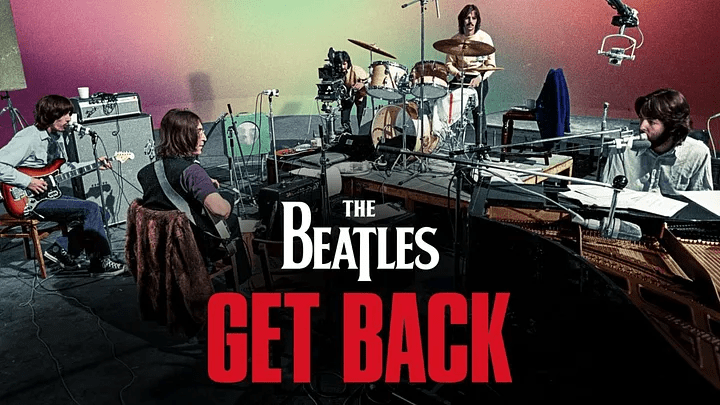
In December 2020, a five-minute video trailer for a new documentary film about The Beatles, titled ‘Get Back,’ appeared online. Directed by Peter Jackson, the footage captured during the band’s 1970 ‘Let It Be’ studio sessions shows the lads goofing around and messing about for the camera. In one scene, John Lennon can be seen bouncing around with a T-shirt pulled over his knees.
The ‘Get Back’ documentary reveals The Beatles phenomenon through key moments in their history, including their first press conference at Kennedy Airport in February 1964. At the time, the four young musicians from Liverpool won over the American press with their charisma, wit, and unique Scouse accent. Their humorous responses broke stereotypes about the British and were key to their international fame.
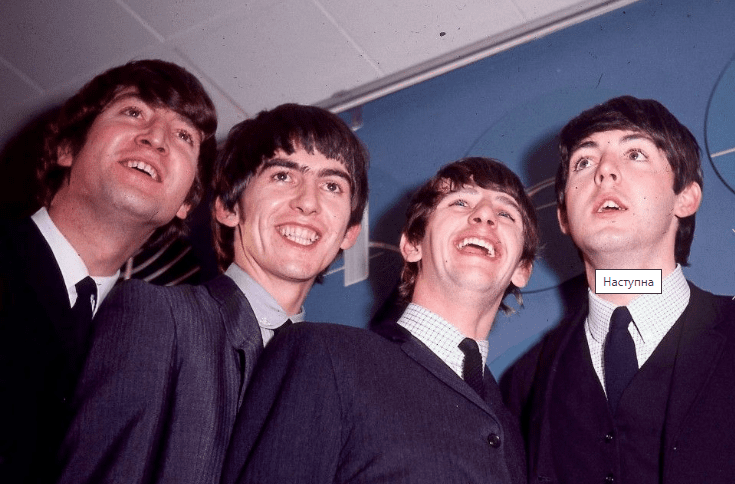
The film also highlights the Liverpool group’s cultural openness, which was formed even before their global success. This was fostered, for example, by visiting illicit clubs in the multicultural Toxteth district, but even more so by their principled stand against racial discrimination. In the US, this manifested in their refusal to perform at segregated venues, where people of different races were divided by sections at the time.
This unique combination of Scouse humour, respect for diverse cultures, and musical mastery made The Beatles a symbol of an era that redefined art and society. It’s no surprise that the members influenced society while they were playing. But the unique part is that this influence wasn’t temporary.
The Beatles – The Brand of the Millennium?
The lads from The Beatles undoubtedly became one of the most recognisable music brands in history, a symbol of global culture. In 1998, the British public voted The Beatles’ output as the music of the millennium, but the band members’ influence extended far beyond their listening audience. They shaped the views of humanity, even those far removed from musical artistry.
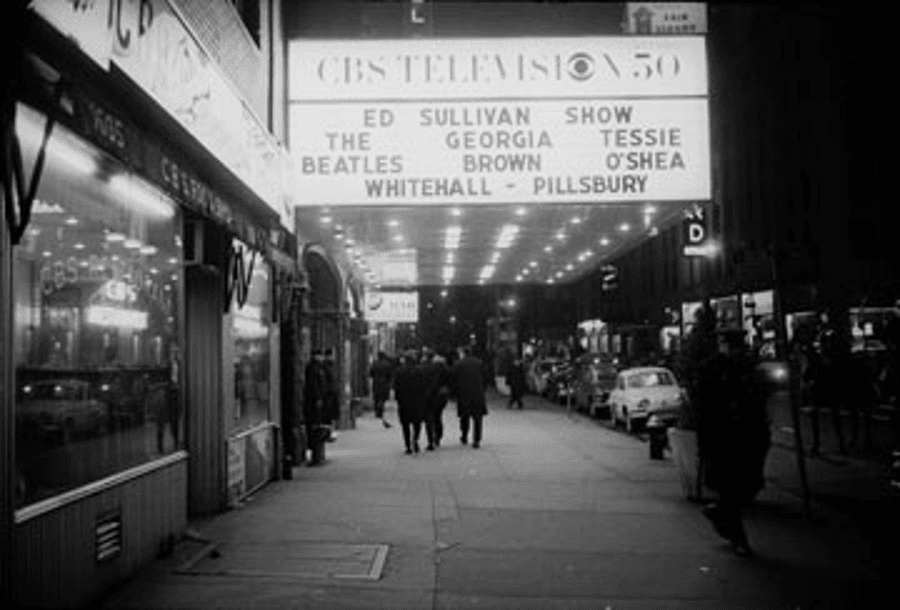
Before The Beatles, there was a string of American performers who achieved global fame, such as Frank Sinatra and Elvis Presley. However, the Liverpool group was the first rock band to tie its popularity to its hometown—Liverpool. Their performance on The Ed Sullivan Show on 9 February 1964 was watched by 70 million Americans, leading to a wave of British music invading the American market.
The Beatles phenomenon was also evident in the cultural and social revolution they sparked. They incorporated sounds from various traditions and cultures into their music, allowing them to become cultural ambassadors of sorts. The influence of the four brilliant musicians on popular music in the 1960s became a driving force behind many social and political changes of the time.
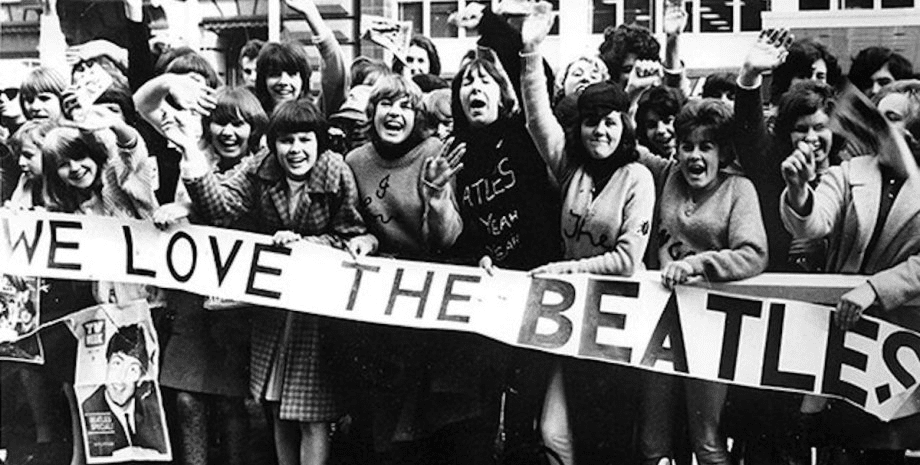
Yet, the impact of The Beatles on Liverpool attracts particular attention. The band’s brand has proven truly magical, and what’s more—it seems immortal. It’s fantastic! Liverpool has turned into a cultural Mecca, where fans regularly make a ‘pilgrimage’ to celebrate The Beatles. The city authorities owe a massive debt to the brilliant Liverpool musicians, as they have made a major contribution to the local economy and largely shaped the city’s identity.