

Some might dismiss the Liverpool Philharmonic Hall as merely a historic landmark. Yet, in reality, it’s a buzzing hub of activity that keeps the city’s cultural life vibrant. It’s where talent is nurtured, major events are hosted, and both classical and contemporary music—tailored to the tastes of 21st-century Liverpool audiences—ring out. You can read more about the venue’s role in the city’s entertainment scene in this article on liverpoolski.com.
History of the Liverpool Philharmonic: The City’s Cultural Heart
The Liverpool Philharmonic is far more than just a concert hall; it’s a genuine source of pride for the city and a cornerstone of its musical culture. Founded in 1840, it is considered one of the oldest permanent philharmonic societies in the world. Sadly, the original building was lost to a fire. The current structure, located on Hope Street, was opened in 1939 after its predecessor burnt down. Its architectural style, which blends Art Deco and modern elements, continues to wow both native Scousers and visitors alike.
The Phil, as it’s affectionately known, is the heartbeat of Liverpool’s music scene, hosting over 400 concerts annually—that’s more than one a day on average! One evening you might hear symphonic music, the next day jazz, and then perhaps a unique take on The Beatles’ catalogue. Every music lover in the city can find something to enjoy and visit the venue at least once, if not several times, a year. A definite must-see is a performance by the Royal Liverpool Philharmonic Orchestra, one of the UK’s leading ensembles. It truly is a local gem!
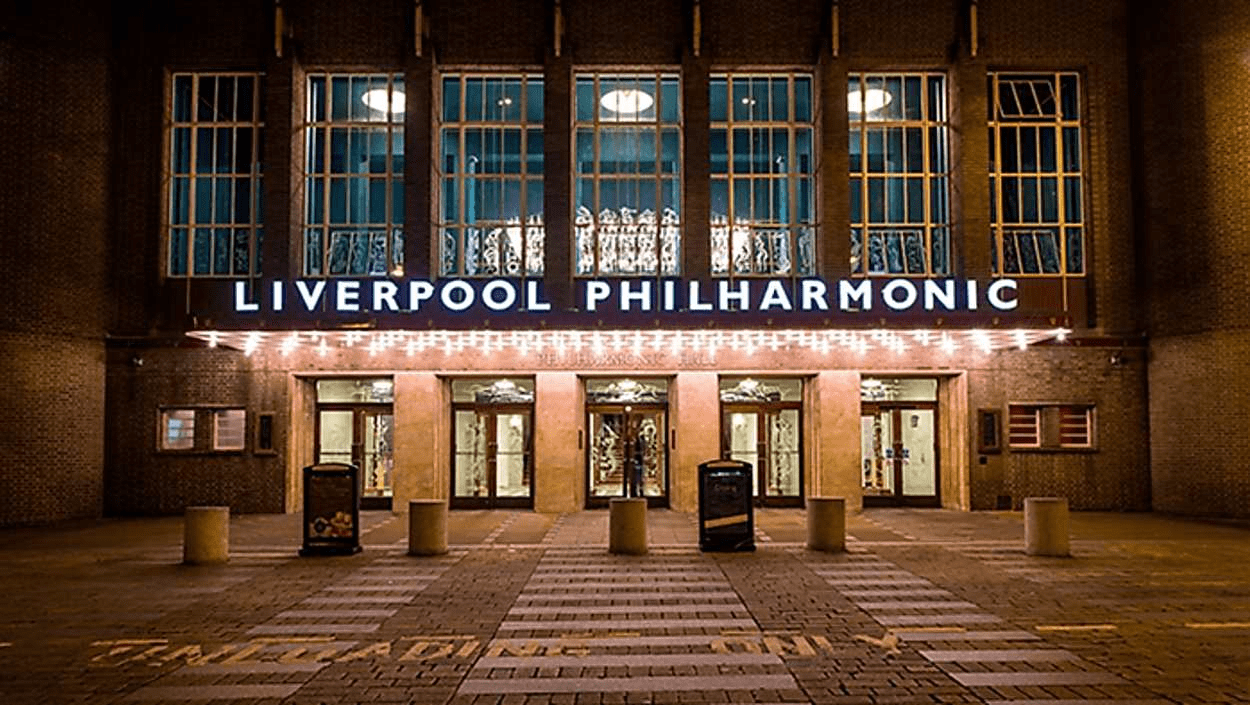
Interestingly, this venue also has a historic link to The Beatles. It was here in the 1950s that a young Paul McCartney first performed as a member of a choir. Furthermore, in the 1960s, the Philharmonic became one of the first major venues to open its doors to rock music, laying a crucial foundation for Liverpool’s modern entertainment industry.
We must also recognise the hall’s vital role in preserving the city’s musical heritage. Concerts are a given—a philharmonic can’t exist without them. But attention should also be paid to the educational programmes for children and young people that this magnificent building hosts. This is why it’s regarded as a true cultural beacon, drawing in a huge number of arts enthusiasts.
Opening New Horizons Through Partnerships and Talent Development

The Liverpool Philharmonic isn’t just about staging concerts—it actively champions the development of young talent. Its partnership with the University of Liverpool has created unique opportunities for music students. For example, they gain access to professional orchestra rehearsals and get the chance to perform on the prestigious stage.
One of its most inspiring initiatives is the In Harmony programme. Its goal is to introduce children from disadvantaged backgrounds to the arts, developing their confidence alongside their musical skills. The results are impressive: participants show significant progress in their education and social integration.
The Phil also supports local artists through projects that give them a platform to perform for wide audiences. Furthermore, it collaborates with several charities to ensure music is accessible to everyone, regardless of their social standing.
Ultimately, everyone benefits. Young performers strive to reach their potential, and Liverpool continually strengthens its position in the entertainment industry. Its reputation as a city where new stars are born is cemented year after year. Of course, one must distinguish between “show business” and “culture,” yet few would deny their deep interconnectedness. Nor would they deny that, every now and then, their alliance creates something truly significant.
A Platform for Global Ideas and World-Uniting Events
The Liverpool Philharmonic is a unique venue where different cultures and traditions meet. One of the most prominent events held here is the Liverpool Arab Arts Festival (Liverpool Arab Arts Festival). This vibrant event introduces audiences to the richness of Arab culture—so different from the British, yet so fascinating and evocative.
The hall regularly welcomes international music ensembles and performers, establishing Liverpool as a key cultural destination on the European map. In 2023, for instance, musicians from over 30 countries performed here, representing a broad spectrum of genres—from classical music to folk and electronic.
If you have any reservations or scepticism about developing the entertainment business in places like a philharmonic hall, consider this: it’s an excellent platform for cultural exchange! In a world where borders between cultures are slowly dissolving, institutions like this help preserve and enrich the uniqueness of each one. Conversely, when people are inclined to highlight differences between nations and seek grounds for hostility, culture unites everyone.
The Philharmonic has become a symbol of Liverpool as a city that values and develops its traditions while remaining open to the new—embracing foreign influences without neglecting its own. Its contribution to the city’s entertainment industry and the growth of its musical culture is immeasurable.