

LOOK Photo Biennial is a platform that truly changes our perception of photography. In 2024, the Liverpool Biennial adopted the overarching theme of Beyond Sight, highlighting the multidimensionality of photographic art, though previous years also offered plenty of intriguing insights. The central exhibition at Open Eye Gallery (a key artistic venue) became a space where photography felt almost tangible – through touch, sound, and profound empathy. Read on for more details at liverpoolski.com.
What is LOOK Photo Biennial and Why Its ‘Beyond Sight’ Theme Transformed Conventional Notions of Photography
LOOK Photo Biennial is an international event organised by Open Eye Gallery in Liverpool. It typically takes place every two years (though exceptions can occur) and consistently redefines photography as an art form and a means of communication.
In 2024, for instance, the theme chosen was Beyond Sight. It posed the question: what if photography isn’t just about images? The curatorial team invited visitors to consider the very process of perception – how do we “see” when we can’t look? How can an exhibition be created that is accessible to people with visual impairments, while simultaneously opening up new possibilities for those with sight?
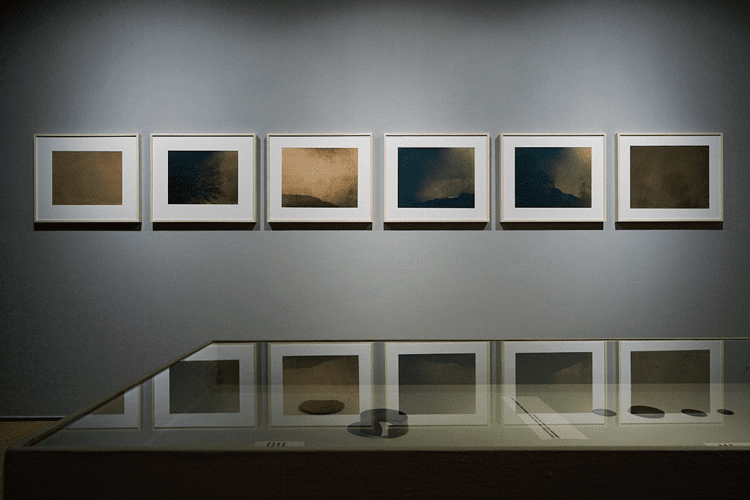
The focus was on people with diverse perceptual experiences: with full sight, partial sight loss, or complete blindness. The organisers didn’t try to “adapt” art for a specific audience; instead, they offered everyone an equal space to immerse themselves in the world of photography not just with their eyes, but with their bodies, hearing, and touch. The Biennial demonstrated that “seeing” is a deeper process involving all our senses.
Such a re-evaluation became particularly crucial in the context of contemporary photography’s evolution, where the image is losing its monopoly. Instead, interaction is becoming paramount.
The Exhibition at Open Eye Gallery: Photography You Can “Hear” or “Feel”
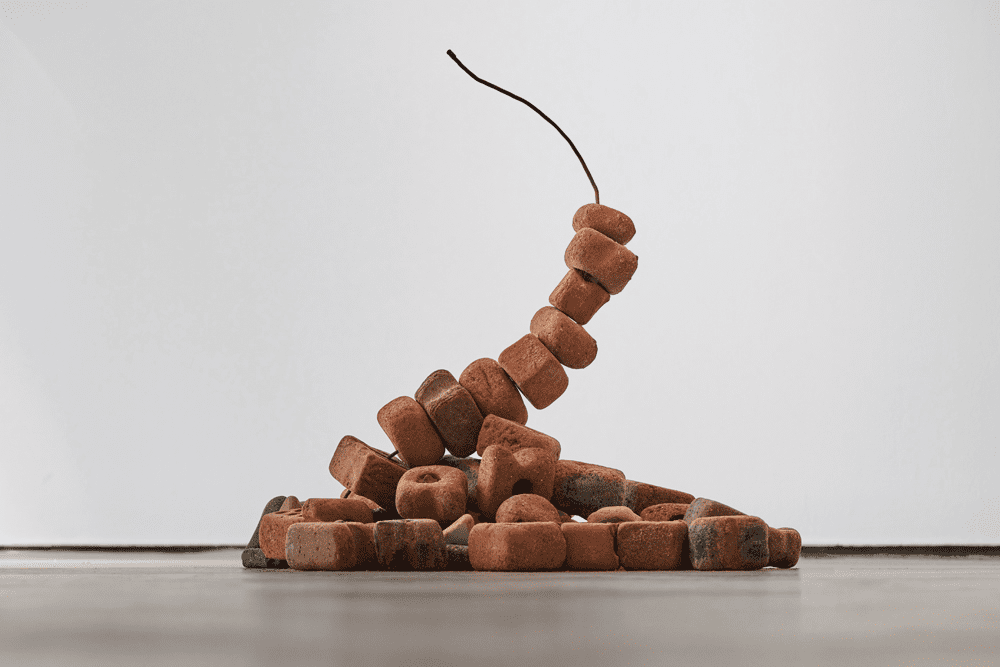
What unfolded at Open Eye Gallery was an exhibition where photography transcended visual perception. Some works were accompanied by audio descriptions, some featured Braille text, and others included objects that could be touched.
The gallery space was adapted to encourage viewers to interact with the artworks through sound, touch, and movement. All of this prompted a different approach to photography – not as an image on a wall, but as an experience to be lived.
Artists from Ukraine, Taiwan, South Korea, Sweden, and other countries participated in the exhibition. Among them were also those with visual impairments, and their approach to photography notably differed. They work with the usual five senses, and with the so-called sixth – intuition, which opens up a different view of the world.
The organisers didn’t segregate “special” or “regular” audiences – the exhibition was designed so that everyone could find their own way of engaging with the art. And practice showed that this was achieved, with overwhelmingly enthusiastic feedback.
LOOK Photo Biennial: Significance
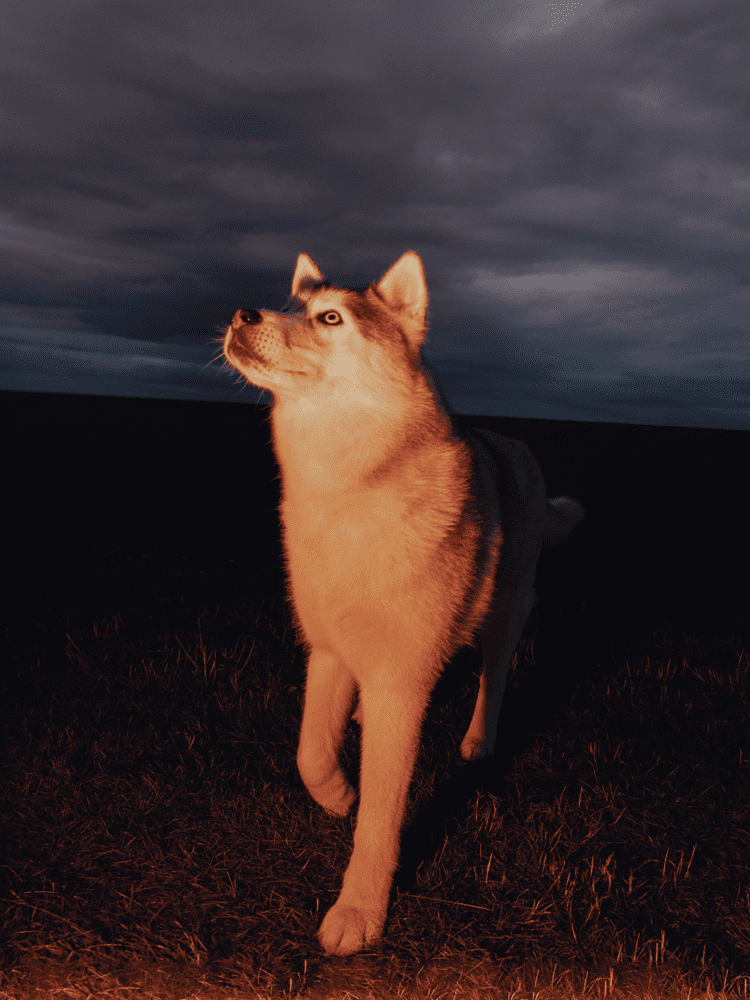
Although Open Eye Gallery is the main venue for LOOK Photo Biennial, the festival’s events are never confined within the walls of a single institution. Exhibitions, art interventions, and photographic projects span various locations across Liverpool – from historic buildings to ordinary streets. In different years, these have included Bluecoat Chambers, Walker Art Gallery, and simply building facades or walls beneath flyovers. This approach transforms the city itself into part of the artistic statement, and viewers interact with photography not just as visitors, but as active participants in urban life.
The festival isn’t tied to a single theme, but almost always addresses what truly matters: the environment we live in, the body, memory, conflicts, and disappearance. Often, the works directly refer to Liverpool and what happens within its boundaries.
For instance, one project explored light pollution and its impact on human health and the ecosystem; another traced how war-torn territories recover after conflict, with construction debris forming the basis for new environments. All of this was an invitation to a dialogue, because simply capturing an image is no longer enough in our technological age.
Another crucial aspect is its international presence. The festival regularly attracts photographers from various countries, who have built a cohesive system of dialogue. Artists, one might say, integrate into the local context: they collaborate with communities, adapt their projects to public spaces, and work with local researchers. Sometimes these contacts evolve into long-term partnerships or lead to repeat participation in subsequent festivals.
From the History Books
LOOK Photo Biennial emerged in 2011 as the successor to the Liverpool International Photography Festival and has since developed as a platform for visual thinking. It isn’t interested in just “pretty photos” – the festival provides a space for works that make us look at the mundane differently, pose questions, and shift focus. Very often, these works are born precisely through collaboration – between artists and curators, community and city, and the various cultures that intersect here.
Thus, this Liverpool Biennial serves as a tool for cultural exchange. The city becomes a crossroads of cultures and professional skills, including those that typically don’t enter the mainstream. For artists, it’s a chance to work outside their usual environment; for viewers, an opportunity to discover something new.
It is this openness that makes LOOK an important event for the city, as well as for the international photographic community. For more on how local leaders envision Liverpool’s cultural future, see this article about Carl Cashman, a politician aiming to make Liverpool the best city in the world.