

The Liverpool Comedy Festival is a vital annual event in the city’s cultural calendar, dedicated to stand-up comedy, sketches, cabaret, and Liverpool’s unique brand of humour. Here’s a brief overview of its history, development, and significance – on liverpoolski.com.
Key Information About the Liverpool Comedy Festival
The festival was founded in 2002 by the local charity The Comedy Trust, which uses comedy to improve people’s mental health and well-being. One can guess the organisers’ aim. No, you won’t hear anything extraordinarily original – to showcase Liverpool’s rich comedic heritage, discover stand-up talents…
But the nuance is that Liverpool has long been considered one of the funniest cities in Great Britain. The funniest? Well, perhaps the wittiest, that sounds better. Liverpool has given the world such legendary comedians as Ken Dodd, Jimmy Tarbuck, Paul Smith, and Paul O’Grady (Lily Savage).
Over the years, the festival has grown to encompass dozens of venues across the city, from large ones – like the Empire and Philharmonic Hall – to small bar stages and even churches. And everywhere, it has brought a flood of positive emotions to audiences.
Main Features and Events of the Festival
The festival usually runs for several weeks each autumn. It features major stars of the British comedy scene and international acts, as well as local and emerging comedians. Past headliners have included Greg Davies, Rob Brydon, Micky Flanagan, Milton Jones, and many others.
The festival is known for its eclectic programme: stand-up, improvisation, cabaret, family shows (such as Funny Looking Kids at Bluecoat), and even science-themed comedy. There are also free events, new material nights, and showcases of experimental and alternative comedy, including LGBTQ+ nights and women-led evenings. Among the special events is Doddy Day, dedicated to the legacy of Ken Dodd, with performances, documentaries, and community gatherings.
History of the Liverpool Comedy Festival: Step-by-Step Development
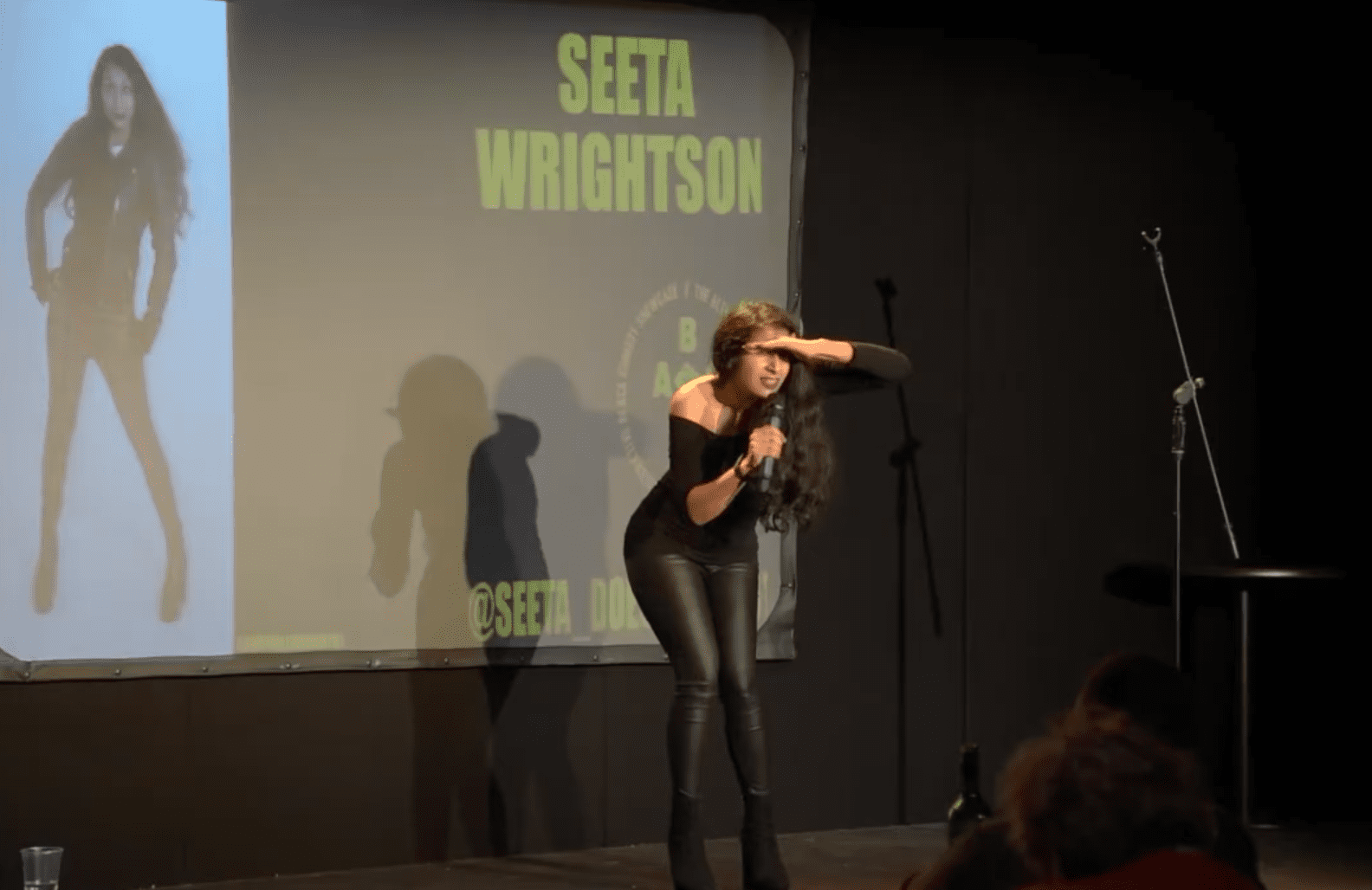
In 2002, Liverpool, so to speak, smelled of laughter. The annual event to popularise humour was enthusiastically received, but it’s worth noting that the city already had a reputation as a cradle of laughter – from street anecdotes to television stars, and the festival became a logical continuation of this tradition. Since then, something new and fun has been added every year.
2000s – Full Steam Ahead
The first few years saw phenomenal growth. Both top British comedians and emerging local stars took to the stage. The idea was simple: a theatre, a pub, a basement, or a museum – anything could become an arena for jokes.
2010–2015 – Experiments That Work
The festival matured and began to take risks – atypical formats, new faces, and international accents appeared. Comedy for children? Absolutely. Parties for black humour gourmets? Likewise.
Everything truly came alive in 2015: the focus shifted to local scenes, particularly places like 81 Renshaw Street. Sam Avery, one of the organisers, emphasises the balance – big names plus newcomers equals a real explosion of creativity.
2016–2019 – Humour with Social Meaning
This period represents a kind of deepening. Masterclasses for young people, performances for parents with toddlers, therapeutic laughter sessions for those experiencing stress. Humour becomes a tool not only for entertainment but also for supporting mental health. The festival becomes part of Liverpool’s cultural DNA – even the city council is talking about it now.
2020–2021 – Moved Online, But Survived
The pandemic disrupted plans, but not the mood. Some events moved to Zoom, and streams and interactive performances appeared directly from living rooms. And despite everything – the priority remained the same: to support local comedians and the community.
Subsequent Years – Back in the Game, But with a Renewed Format
From 2022, the festival returned to live encounters, but the online experience lingered – a hybrid format emerged.
The stage is shared by famous comedians and young voices. Among the former: Greg Davies, Rob Brydon, Milton Jones; among the latter: LGBTQ+ representatives, women, and alternative artists.
Collaboration with local clubs, particularly the Hot Water Comedy Club, was established. This allowed for the introduction of social projects to make humour more accessible to everyone.
The festival continues to thrive, adapting to new trends – viral online comedies and podcasts. Liverpool’s comedy event remains a prominent fixture and continues to gain popularity.
Conclusion
The Liverpool Comedy Festival, which started in 2002, has become an important part of the city’s cultural rhythm. It brings together renowned comedians and young local wits, giving the public a good dose of laughter, and at the same time, support to those who need it. Because sometimes, humour is the best medicine for the soul. It’s no surprise that The Comedy Trust uses the festival to deliver workshops and outreach programmes, focusing on the role of humour in resilience and mental well-being.
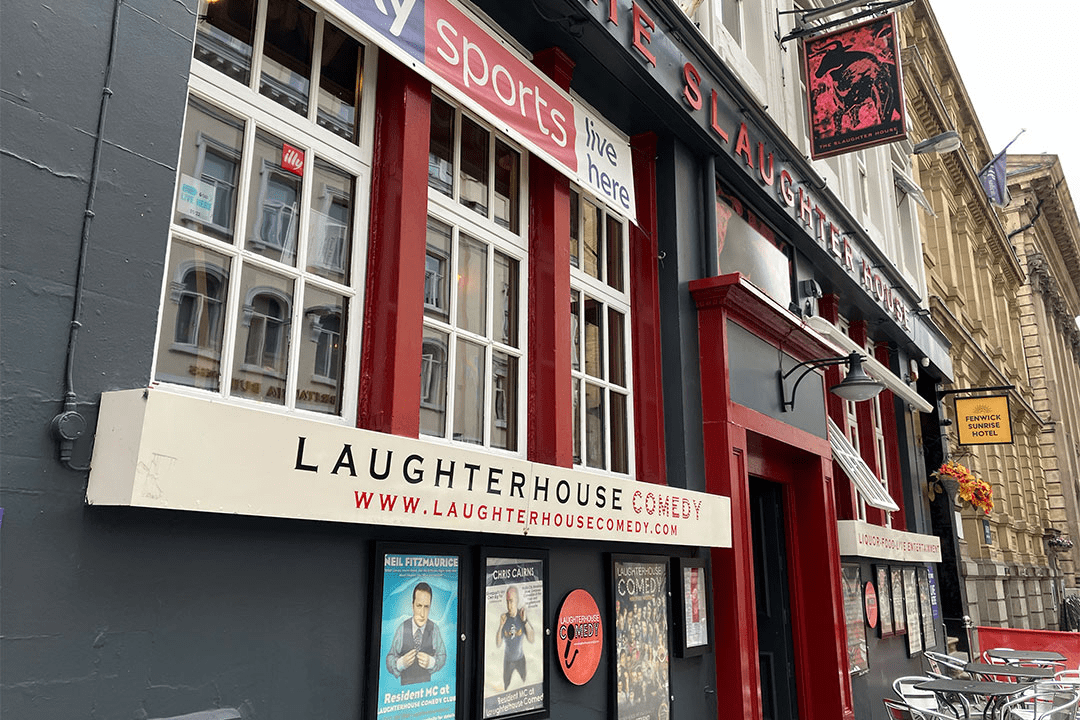
The festival has also helped launch the careers of local comedians such as Paul Smith and Adam Rowe, and supports a vibrant year-round comedy scene, based at venues like the Hot Water Comedy Club and Laughterhouse.