

The history of the Liverpool Philharmonic Hall began back in 1840. Then the first symphony orchestra appeared in the city, but it didn’t have a permanent stage for performances. Therefore, the city authorities decided to build a philharmonic. Learn more at liverpoolski.com.
Beginning of the story
Liverpool architect John Cunningham began creating a project for the Philharmonic Hall in 1844. The main requirement was it could accommodate at least 1,500 spectators. Later, the number was increased to 2,100 spectators and 250 musicians.
The construction began in 1846 and Felix Mendelssohn undertook to write a cantata that was to be performed at the opening of the hall. Unfortunately, he didn’t live to write what he had planned. In August 1849, the Philharmonic Hall was officially opened as part of a week-long festival.
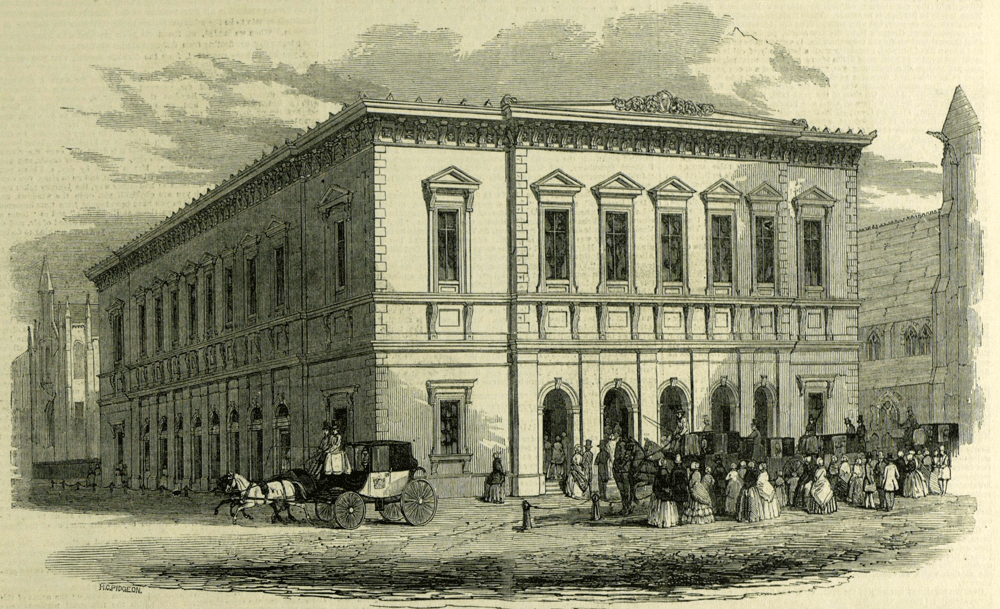
At that time, it was one of the most luxurious halls with the best acoustics in the country.
Fire
The Philharmonic Hall gave concerts and received visitors every day until July 5, 1933. That day, the building caught fire. More than 10,000 onlookers gathered around to watch the “spectacle”, some of them screamed in horror and fainted. Two boys fell into the basement, but no one was seriously injured.

The exact cause of the fire was never found out, it was only known that it started on the roof. Even though more than a hundred firefighters participated in extinguishing the fire, the building was damaged so seriously that it made no sense to restore the hall. Fortunately, some of the most valuable things in the building were saved. They were a significant part of the rich music collection and a memorial plaque in memory of the lost Titanic musicians, which was installed in the hall with money received from a special donation concert.
The demolition of the burned-out building started the next day. The chairman of the Royal Liverpool Philharmonic Society told the worried townspeople that the Philharmonic Hall would definitely be rebuilt.
New Hall
The construction of the new Philharmonic Hall was postponed several times because of a conflict of interest. The Liverpool Corporation refused to support the expensive construction of a building that would hold only concerts. It demanded that the hall could be used for both film screenings and theatrical productions. The conductor Sir Henry Wood opposed the stance. A compromise was found only in 1937.
Architect Herbert Rowse designed the new hall in the modern style and the construction began. In June 1939, the Philharmonic Hall was opened with a grand concert conducted by Sir Thomas Beecham.
Reconstructions
In 1995, the Philharmonic Hall was partially rebuilt and renovated. Since then, it has been not only a concert hall but also a modern cinema of the second category with a seating capacity of 1700 seats in the auditorium and 22 in the boxes. If the hall were considered exclusively a cinema, it would be the second-largest in the country in terms of capacity, right after the one at Leicester Square.
The main part of the work was to improve the operational, technical and acoustic characteristics of the chambers but at the same time not to affect the architectural heritage of the Philharmonic Hall. Therefore, special attention was paid to details. So, when it came to the restoration of ancient frescoes in the Art Deco style, specialists made their full-size copies in order not to lose any of their features.
Another renovation, which gave the hall its modern appearance, was completed in 2015. As a result, the institution got a new building with dressing rooms, several isolated rehearsal rooms and technical rooms for storing musical instruments. In addition, the hall acquired a new music performance space with a special, friendly and informal atmosphere. It has replaced the old one called the Rodewald Suite. It hosts musicians playing classical, ethnic, world and folk music, as well as performances in the standing concerts format and cabaret style.
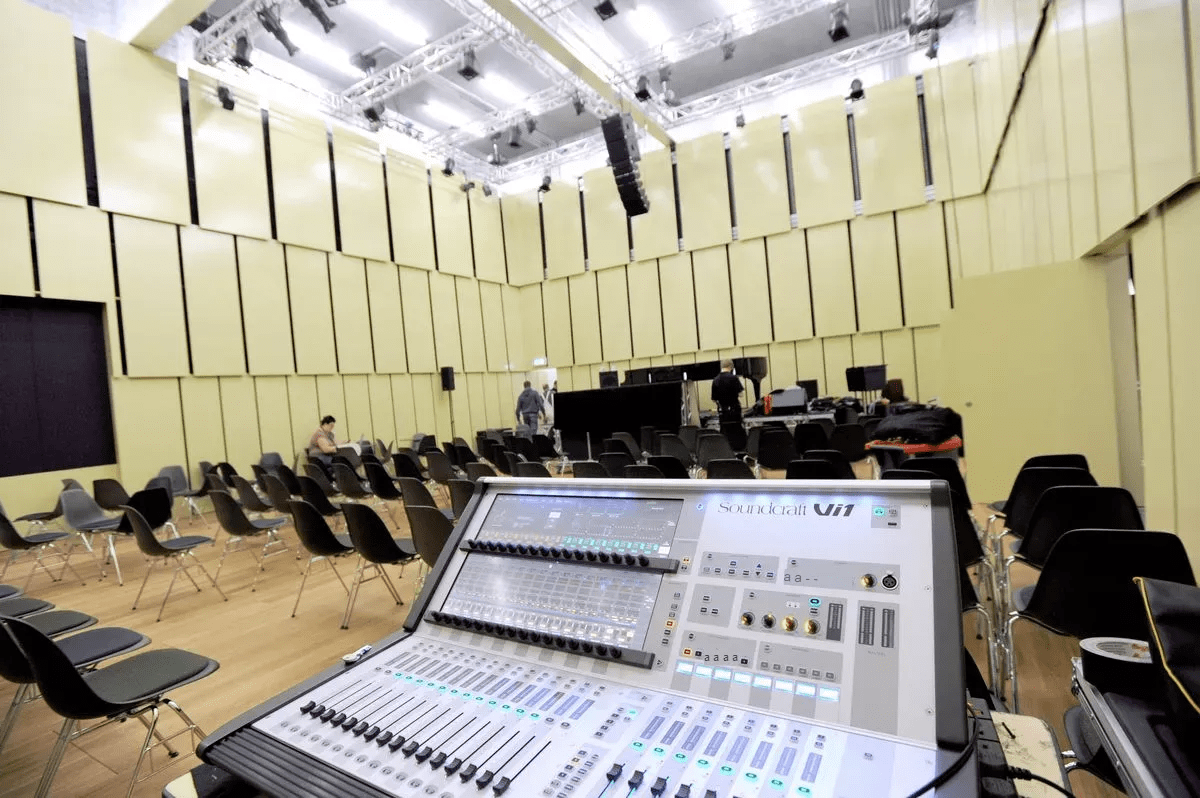
The first floor of the building houses open offices providing temporary or permanent workplaces with Wi-Fi access and a room for the orchestra. A new garden has been located on the roof.
Features and modern use
The visitors who come to the hall to watch the film can observe an amazing sight. The oldest screen in Europe rises from under the floor, resembling the exit of a rock star from behind the scenes. This screen structure controlled by a special electric drive is the only such device in the world. In addition, the hall has preserved an organ console, which can rise and rotate. Every year, the Philharmonic Hall hosts about 300 events, including concerts, shows, festivals, film screenings, comedians’ performances, etc. You can also book a tour or rent the venue for private projects. Today, The Philharmonic Hall is one of the most iconic buildings in the city, known to every Liverpool resident as a piece of the city’s history (just like the LightNight festival).