

In Liverpool, drag has long been more than just an extravagant or stunning show. The local balls are a vital part of the city’s culture, complete with their own history, beloved venues, and even museum exhibits. The Liverpool scene isn’t simply a copy of American styles; it has its own unique flavour, blending humour, social commentary, and pure fun with a distinctive local touch. On liverpoolski.com, you’ll find the most fascinating details about the history of this phenomenon.
How Drag Culture Arrived in Liverpool
It all began long before drag culture hit the billboards or reality TV shows. The format of balls, or shows, with cross-dressing has its roots in New York’s ballrooms, where a unique “ballroom” culture formed in the 1980s. Participants competed in looks, dances, and categories where beauty, style, and self-expression were paramount. These ideas quickly spread beyond the US, especially in cities with active nightlife.
At that time, Liverpool already boasted a strong club scene, amateur theatre, and street music, which often served as a launchpad for local artists. There was ample space for experimentation – both in music and visual performance. Clubs like Garlands and The Lisbon began to feature the first artists who played with gender themes. They created characters, adding theatrical elements to their acts. These weren’t yet full-fledged drag balls in the modern sense, but the scene was beginning to take shape.
What was happening in those years in nocturnal Liverpool didn’t always make it into camera lenses or newspapers. But it was then that regional traditions began to form: their favourite artists, their themes, their jokes. This was a culture that wasn’t yet on the offensive but was clearly asserting itself within the boundaries it then had. This period became the foundation for subsequent transformations – when drag moved beyond mere entertainment and began to play a deeper role in the city’s visual code.
The involvement of people who developed these scenes not for hype, but to have a place where they could be themselves, was particularly important. Balls, even in their nascent form, became an answer to the limitations that existed in public spaces. They made it possible to create an environment where imagination, artistry, and inner world were important, rather than status or reputation. And every club made its own contribution to this phenomenon, with its characteristic flair.
Liverpool’s first drag performances weren’t copies of American shows. Rather, they reflected the character of the city itself – a little ironic, with a theatrical leaning. Many of those early events only survive in memories, but they laid the groundwork for what later became a full-fledged industry. Each performance was a small story, woven from humour and the desire to be seen.
The Formation of the Drag Scene: From Iconic Figures to Full-Fledged Balls
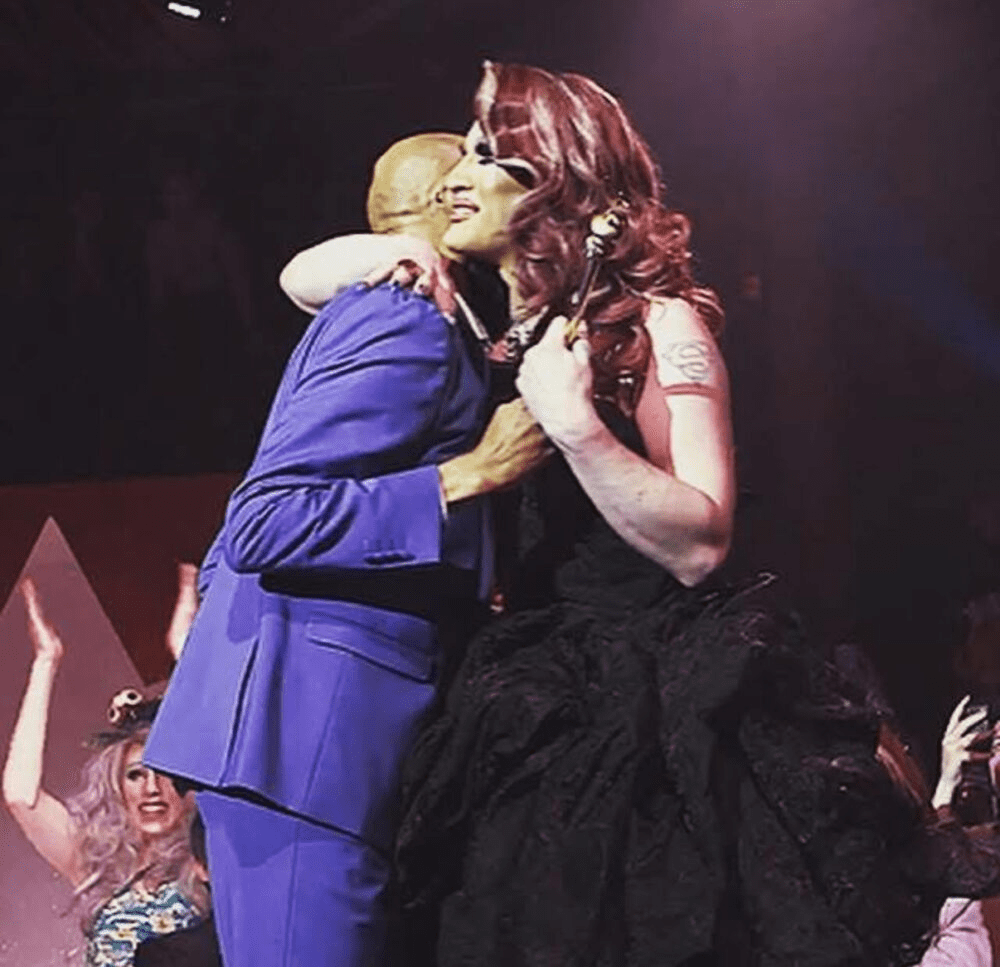
Eventually, the time came when Liverpool’s drag culture ceased to be just an element of nightclub life. It gained faces, such as Lily Savage, performed by Paul O’Grady. Another well-known figure is The Vivienne. Her journey began in local clubs and later led to her victory in the first season of the British version of RuPaul’s Drag Race. But The Vivienne’s significance extends beyond titles. She showed that the Liverpool scene is capable of producing strong, charismatic performers with their own school, style, and a sense of humour that’s unmistakable.
As this scene developed, drag began to emerge from the shadows. Organised events appeared, posters announcing themed evenings, competitions, and even educational segments. The word “ball” began to sound not like a New York-style imitation, but as its own distinct format – with local flavour, specific energy, regular guests, and its own legends. Here, dance skills or expensive costumes weren’t as important as the created persona itself.
At a certain point, drag gained a full-fledged stage, including a museum presence. In the Liverpool Museum’s exhibitions, drag performance is presented as part of the city’s visual and cultural history, alongside musical movements, 1980s style, and the struggle for attention and recognition.
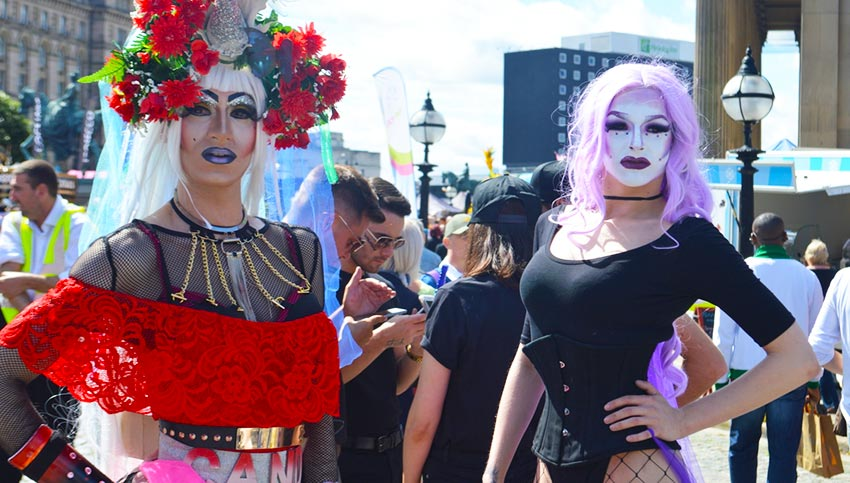
The format quickly moved beyond “professional” shows. Drag balls transformed into events where anyone could perform – the main thing was to have a persona, an idea, and charisma. This made the format open and lively. Space emerged for new names, amateur groups, and participants who weren’t seeking fame but rather looking for communication and connections. And then the very essence of drag shows changed.
Gradually, communities formed around these events. People came not only to watch but also to support “their own,” to learn something, to try their hand, to give free rein to their imagination.
How Drag Became Part of Liverpool’s Cultural Landscape
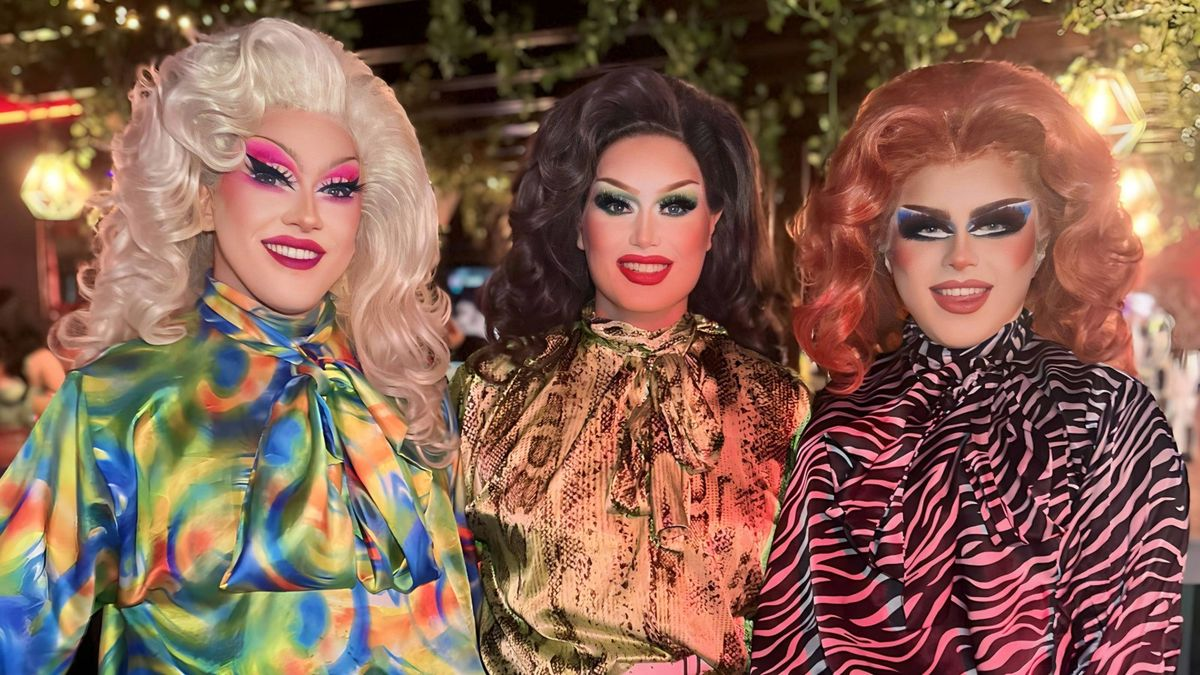
Over time, drag balls in Liverpool stopped being an event solely for insiders. They became part of the city’s rhythm – as noticeable as street festivals or musical performances by the docks. Several factors contributed to this.
Firstly, the openness of the venues. Events began to be held not only in nightclubs but also in theatrical spaces, galleries, and educational centres. This gradually changed the perception of drag as something marginal. Now, it stood alongside other cultural events.
Secondly, the city’s atmosphere itself. Liverpool has a long history of musical and subcultural movements – people here are accustomed to the unconventional, the ironic, and the visually striking. So, drag easily found its place. It didn’t need to be “promoted” – it developed naturally, alongside post-punk and street poets. A drag ball could happen anywhere: in a hangar, a library, even in a square.
Interestingly, drag balls didn’t necessarily turn into shows. Many of them included workshops, discussions, and breakdowns of looks and movements. People could come without makeup, without experience – simply with an idea or an inner impulse. And receive support, a stage, a microphone. This was already something deeper than entertainment.
The audience also changed. If previously it was mainly acquaintances or scene regulars, then students, tourists, cultural researchers, and curious passers-by who saw a vibrant performance and decided to stay joined them. For many, the ball was a way to see something new, laugh, be captivated, and feel the spirit of freedom that has always characterised Liverpool.
Society’s Attitude Towards Drag Balls
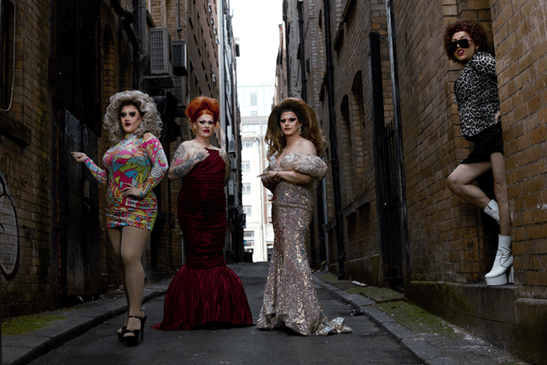
The LGBT+ community has always been a part of drag balls, and society’s attitude towards it has always been ambivalent. However, this gradually changed, as drag balls served an entertainment role while simultaneously inviting constructive dialogue.
The “Queen” photo projection at the Walker Art Gallery demonstrated this very clearly: equal attention was given to both international names and local performers, presenting them with dignity and respect as serious art. It showed that drag is not some whimsical pastime, but real stories, intricate work with imagery, and a firm message about defying imposed boundaries.
At one point, during LGBT+ History Month at the Museum of Liverpool, the discussion of drag practices took centre stage. It became part of educational programmes where historical events were discussed. Although balls featuring men dressing as women (and vice versa) were once taboo topics in education, times have changed now – partly thanks to commercial formats like FunnyBoyz, which continue to attract audiences with tickets, allowing drag to thrive.
But even in this format, quite sharp messages sometimes emerge: through caricature or provocation, artists highlight the absurdity of certain social constructs – power, gender, judgements. Sometimes protest accents are presented in a light, entertaining form. At times, it’s simply an artistic gesture: when the image dominates the text and makes one ponder. And sometimes, performances in public places are short but sharp commentaries on what’s happening in Liverpool or the country.