

When Liverpool secured the right to host Eurovision 2023, it reignited the conversation about its cultural might. But the city still had to prove it truly deserved the honour. Did Liverpool successfully weave its unique character into the atmosphere of the international celebration? What were the highlights of the event? What was the lasting impact? We look back at it all on liverpoolski.com.
How the City Became Eurovision Host
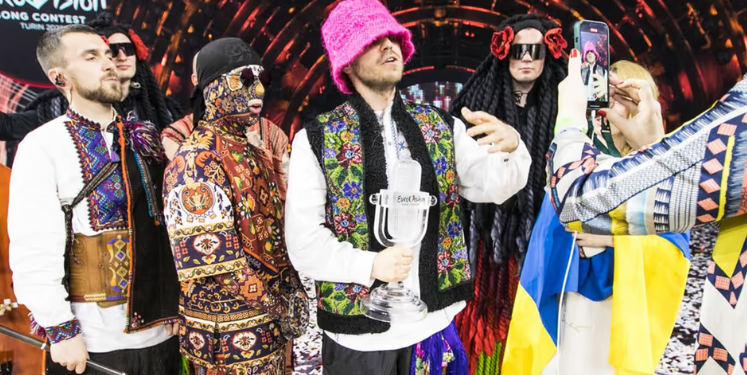
Liverpool has long been celebrated as one of the world’s most musical cities. It was granted the honour of hosting Eurovision 2023 after a decision to relocate the contest from Ukraine, who were unable to stage the event due to the ongoing war. A year earlier, remember, the Ukrainian band Kalush Orchestra had won with their hit “Stefania”. The selection of Liverpool was seen as a gesture of solidarity, as the heart of Merseyside has consistently demonstrated its support for the Ukrainian people.
The City Council, alongside the organising team, focused on creating a superb experience for the thousands of visitors arriving in Liverpool. This required a huge investment in infrastructure: transport hubs were upgraded, hotel availability was expanded, and the technical facilities at the M&S Bank Arena for the show were significantly enhanced. Was it costly? Absolutely! The stage preparation alone ran into millions of pounds, but staging a programme of this magnitude would have been impossible without it.
The organisers also made sure to enrich the main show with cultural additions. A packed calendar of themed events was rolled out in museums, city squares, and even along the waterfront. Liverpool transformed into a massive venue where every corner paid tribute to Eurovision. The result was a seamlessly organised event and a programme that left an unforgettable impression on every spectator.
The Show that Wowed Europe: Eurovision 2023 Highlights
Eurovision 2023 in Liverpool was an incredibly emotional affair. Following the spectacular opening on the Turquoise Carpet near the Mersey Maritime Museum building, the competition kicked off with two semi-finals and the grand final.
The first semi-final saw 15 countries battle it out for 10 spots in the final. The second semi-final featured entries from 16 more nations, including Ukraine’s entry, the band TVORCHI with their song “Heart of Steel”. Their performance stood out for its powerful vocals, contemporary sound, and a striking visual concept that emphasised the song’s core theme: the unbreakable spirit. TVORCHI ultimately finished in sixth place in the final. While they earned high marks from both the audience and the jury, some of their rivals managed to make a slightly stronger impression on the judges.
Particular attention was drawn to Sweden’s Loreen, who performed “Tattoo”. Her staging was breathtaking: a moving platform, powerful visual effects, and a dramatic performance style made it one of the most impactful acts in the contest’s history. Loreen scored 583 points, becoming the first woman to win Eurovision twice (her first triumph was in 2012 with “Euphoria”).
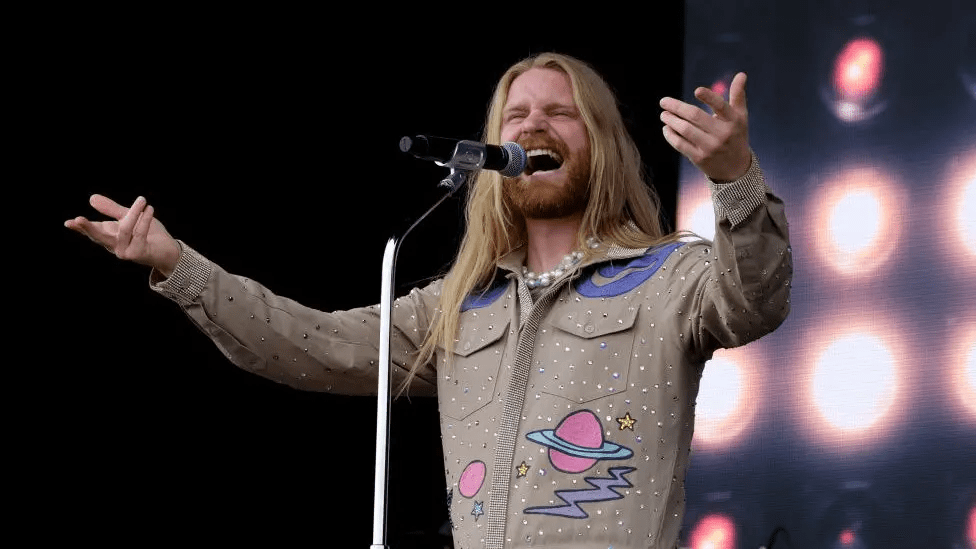
Beyond the competitive acts, the show was made memorable by performances from stars of previous years. For example, Sam Ryder, the UK’s 2022 representative, performed his new single, and Kalush Orchestra, the winners from that same year, opened the final with their hit. A special mention must go to the organisers’ brilliant idea of incorporating Ukrainian motifs throughout the programme. Ukrainian songs played during the intervals, and national cultural elements were featured in the staging and design.
The final featured 26 countries, with each performance being unique in its own right. The contest covered a diverse range of styles, from pop to folk. While the performances from Germany and Norway were very popular with the audience, the clear public favourite was Finland’s Käärijä with the song “Cha Cha Cha”. The Eurovision 2023 final drew an audience of over 160 million viewers on screen, while thousands of fans from across the globe witnessed the spectacle live at the M&S Bank Arena.
Liverpool After Eurovision
Eurovision 2023 was a powerful catalyst for Liverpool’s economy, but its impact on the city’s cultural reputation was even greater. Local authorities estimated that the contest attracted around 500,000 tourists to the area, providing a significant boost to hotels, restaurants, and shops. It is also known that attendees and fans spent over £20 million – a figure that serves as a solid benchmark for understanding the economic success of Liverpool’s Eurovision.
One might think Liverpool was already well-known for its musical past. But let’s be honest, the legacy of The Beatles can’t last forever, even though the city still actively capitalises on the band’s brand. Holding events at St George’s Hall and Pier Head helped shine an extra spotlight on these beautiful historical sites.
However, the legacy of Eurovision 2023 shouldn’t be reduced merely to profits. Supporting local businesses and promoting tourist locations are certainly important, yet even more crucial is the renewed sense of civic pride. Liverpool once again proved that music remains its greatest strength, one that is capable of uniting and inspiring people.