

Carol Ann Duffy is a poet celebrated for her feminist views and work that often explores themes of gender and social justice. Although born in Scotland, the writer is also closely connected to Liverpool, a city that played a significant role in her creative development and personal life. It was in the heart of Merseyside that Duffy earned her bachelor’s degree in Philosophy, became an active participant in the literary scene, and met her partner at the time, the poet Adrian Henri. Let’s delve deeper into her life, achievements, personal story, and work at liverpoolski.com.
Who is Carol Ann Duffy and When Was She Born?
Carol Ann Duffy is a Scottish poet and playwright who was born on 23 December 1955 in Glasgow, Scotland. From a young age, she was drawn not only to literature but also to philosophy, which she went on to study in Liverpool, graduating with a degree in 1977. Before university, Duffy was educated in Roman Catholic institutions, attending both primary and secondary schools, and later enrolled at Stafford High School for Girls.
She was the first child of May and Frank Duffy. Her mother was of Irish heritage, and her father had Irish grandparents. The couple went on to have four more sons, and when Carol Ann was six, the family relocated to Stafford. Her father worked for English Electric and, in his spare time, managed Stafford Rangers F.C.
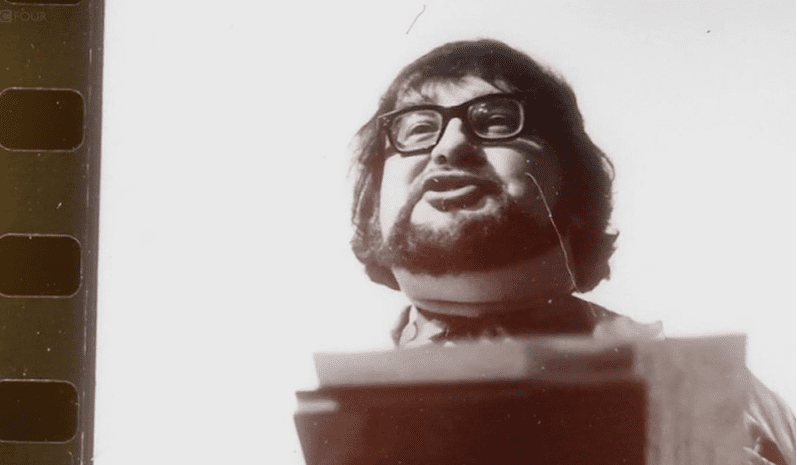
Duffy’s early interest in reading and writing was encouraged by two of her English teachers, as well as by the artist Adrian Henri, one of the trio of “Liverpool Poets” whose work was featured in the anthology *The Mersey Sound* (1967). Carol Ann lived with Henri, who was significantly older than her, for about 10 years until the couple separated in 1982.
Duffy’s Creative Career and Successes
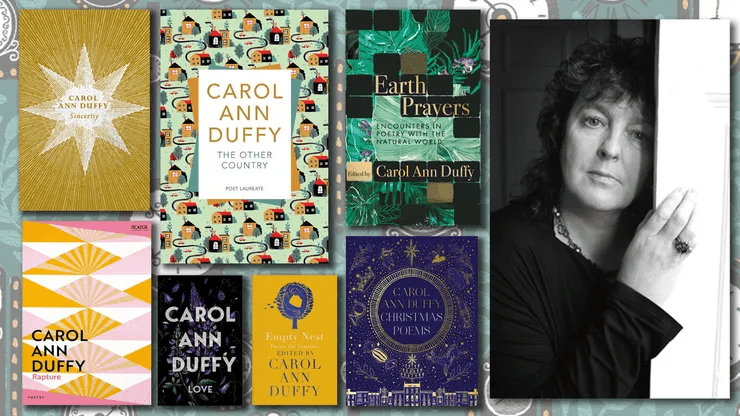
Even before finishing her studies at the University of Liverpool, Carol had published three collections of poetry: *Fleshweathercock and Other Poems* (1974), *Beauty and the Beast* (with Adrian Henri, 1977), and *Fifth Last Song* (1982). She gained true recognition after winning the National Poetry Competition in 1983, and this success was cemented the following year with an Eric Gregory Award.
Later, reflecting on those times, Duffy recalled to the Poetry Society (as quoted by a source):
“In those days I was still being called a ‘poetess’ – so it meant a lot, being a young woman poet, to begin to try to change that. And – oh, girls, just look at us now…”
In 1985, Anvil Press Poetry published Duffy’s first solo collection, *Standing Female Nude*. Her next book, *Selling Manhattan* (1987), earned her the Somerset Maugham Award, and *The Other Country* (1990) was recognised by the Scottish Arts Council.
Carol Ann Duffy’s Famous Poems: What Are They About?
The collections mentioned above feature some of Duffy’s most well-known poems. Among them was the controversial “Education for Leisure,” which was initially included on the school curriculum but was removed in 2008 following accusations that it glorified violence. The collections also contain the sensual lyric poem “Warming Her Pearls,” about a maid who wears her mistress’s necklace, and the noteworthy poems about home and alienation, “Originally” and “The Way My Mother Speaks.”
Prayer
Her next collection, *Mean Time* (1993), won several prestigious accolades, including the Forward Prize and the Whitbread Prize for Poetry. It contains one of Duffy’s most beloved poems, “Prayer,” which concludes with lines from the BBC Shipping Forecast, lending the text a particularly musical quality.
The poem explores themes of faith and spirituality in the modern world. It shows how people find hope in everyday things, even if they do not follow a traditional religion. The poet describes moments when sounds, images, and memories can serve as a form of prayer, offering a path to peace in times of despair and emptiness.
Valentine
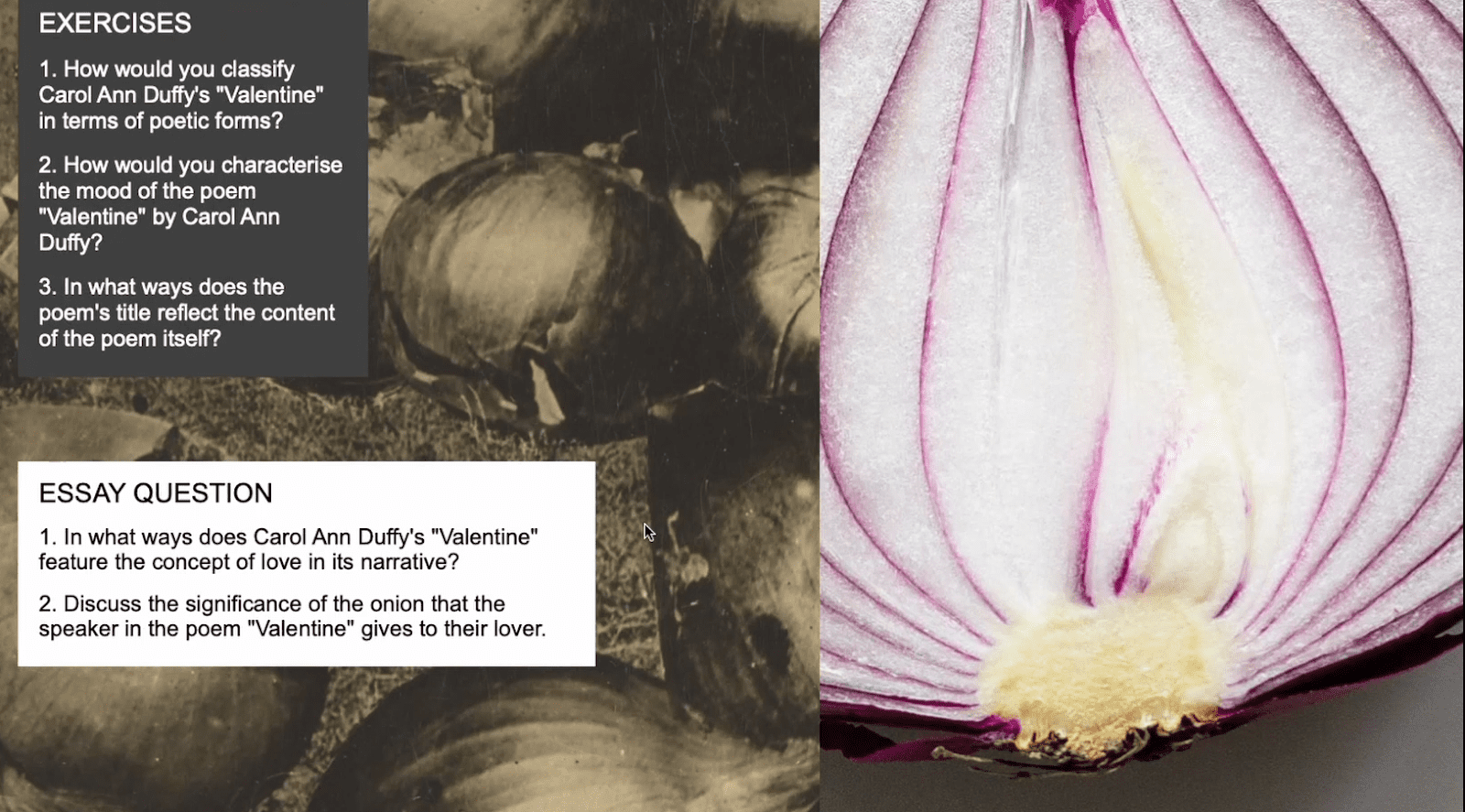
Another of Carol Ann Duffy’s standout poems is “Valentine.” It serves as a critique of traditional notions of love and romance, particularly those associated with Valentine’s Day. In it, Duffy seeks to subvert the reader’s idea of love.
Not a red rose or a satin heart.
I give you an onion.
It is a moon wrapped in brown paper.
It promises light
like the careful undressing of love.
Here.
It will blind you with tears
like a lover.
It will make your reflection
a wobbling photo of grief.
I am trying to be truthful.
Not a cute card or a kissogram.
I give you an onion.
Its fierce kiss will stay on your lips,
possessive and faithful
as we are,
for as long as we are.
Take it.
Its platinum loops shrink to a wedding-ring,
if you like.
Lethal.
Its scent will cling to your fingers,
cling to your knife.
The poem begins by rejecting traditional symbols of love like the red rose or satin heart. Instead, Duffy offers a more unexpected image: an onion. With its multiple layers, strong scent, and ability to cause tears, it symbolises the potential pain of love.
Duffy critiques the consumerist approach to love, which often manifests in expensive gifts and cliché romantic symbols. She proposes a genuine and sincere expression of love that requires no external trappings. The poem uses a range of poetic devices, including metaphors and similes. For instance, the image of “a moon wrapped in brown paper” is truly striking.
The tone of the poem shifts from tender to threatening—reflecting how unpredictable love itself can be. The poem is written in free verse without a rhyme scheme, a choice that suggests the poet prioritises substance over form.
Personal Life and Professional Career
Duffy identifies as a lesbian, despite having been in a 10-year relationship with the poet Adrian Henri, as well as with at least one other man, the writer Peter Benson. Carol became aware of her sexual orientation while studying at a convent school.
Did Carol Ann ever find true love? After her breakup with Henri, the poet was in a 15-year relationship with fellow writer Jackie Kay. While it’s hard to say if it was “true love,” it was her longest relationship. It seems love truly did become, for the poet, the onion that brings tears.
Does Duffy have a daughter? Yes, her name is Ella. She was born in 1995 during Duffy’s relationship with Jackie Kay. Her biological father is the poet Peter Benson.
Carol Ann Duffy has had an active career in academia. In 1996, she began teaching poetry at Manchester Metropolitan University. The poet later became the Creative Director of the university’s Writing School, settling in Manchester after many years in Liverpool.
Duffy has also written several plays that have been staged, including at the Liverpool Playhouse theatre. Among them are:
- Take My Husband (1982)
- Cavern of Dreams (1984)
- Little Women, Big Boys (1986)
- Loss (1986)
- Casanova (2007)
Carol Ann has also worked as an editor for the poetry magazine *Ambit*, a poetry critic for *The Guardian* newspaper, and was an active radio presenter in the late 1980s.
Literary Achievements and Style
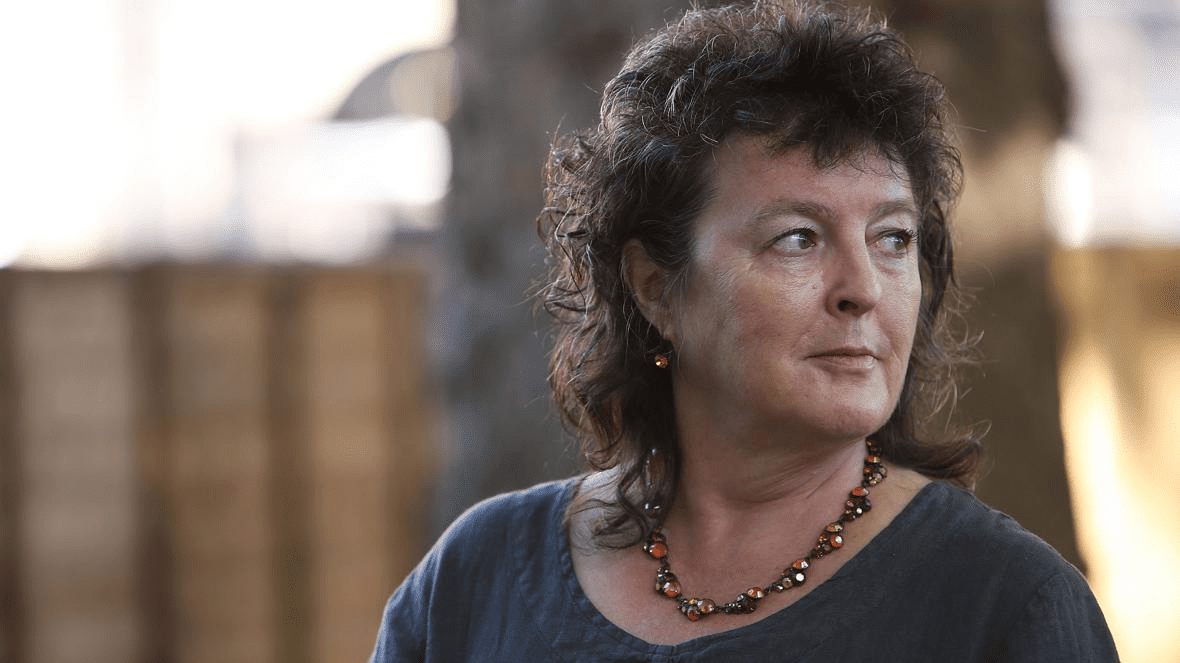
As we can see, Carol’s work has spanned a wide range of genres, from children’s poetry to dramatic works.
In 1999, she published the collection *The World’s Wife*, in which classic and mythical male characters are seen through the eyes of their wives.
In 2002, Duffy began working with the publisher Picador, and three years later, she presented the collection *Rapture*, in which 52 poems chart the course of a love affair from its beginning to its end. Ruth Padel described her style as “relentless, sensual, tender—utterly contemporary and yet classic.”
Carol Ann has always strived for simplicity in her language and depth in her meaning, stating that she doesn’t try to impress with vocabulary that merely sounds good. As she explained:
“I like to use simple words, but in a complicated way.”
Recognition and Public Life
After the death of Ted Hughes in 1999, it was widely rumoured that Duffy would be the next Poet Laureate of the United Kingdom. Although the position went to Andrew Motion at the time, Carol Ann was eventually appointed in 2009. She was the first woman, and the first openly LGBT person, to hold the title of Poet Laureate in the country’s history.
Duffy actively used her poetry to respond to public events, engaging with her readers on contemporary issues. She also championed the development of young poets, organised literary readings, and founded the Ted Hughes Award for New Work in Poetry. In 2019, Carol Ann concluded her ten-year term as Laureate, but she has, of course, never stopped writing.