

Liverpool provides fertile ground for music groups to develop, so it’s no surprise that the regional showbiz scene is thriving. One testament to this is the Liverpool College of Art and its talented students. Back in 1973, a story began that confirms the immense creative potential of the city’s youth. It’s the story of the band Deaf School, and that’s who we’ll be talking about next on liverpoolski.
How It All Began
It’s hard to believe, but it all started with a simple Christmas party. Students from the Liverpool College of Art got together to play at the end-of-term party in 1973. But what they did wasn’t just good; it was fantastic. The young musicians went on to win a Melody Maker contest, which led to them signing a contract with Warner Brothers. This allowed them to release three full-length albums over three years, from 1976 to 1978.
History
It has been said that these young people revived Liverpool’s music for a whole generation, and journalist Paul Du Noyer considered them the second most important band for the city after The Beatles. So how did they emerge onto the British showbiz scene?
The Early Stage
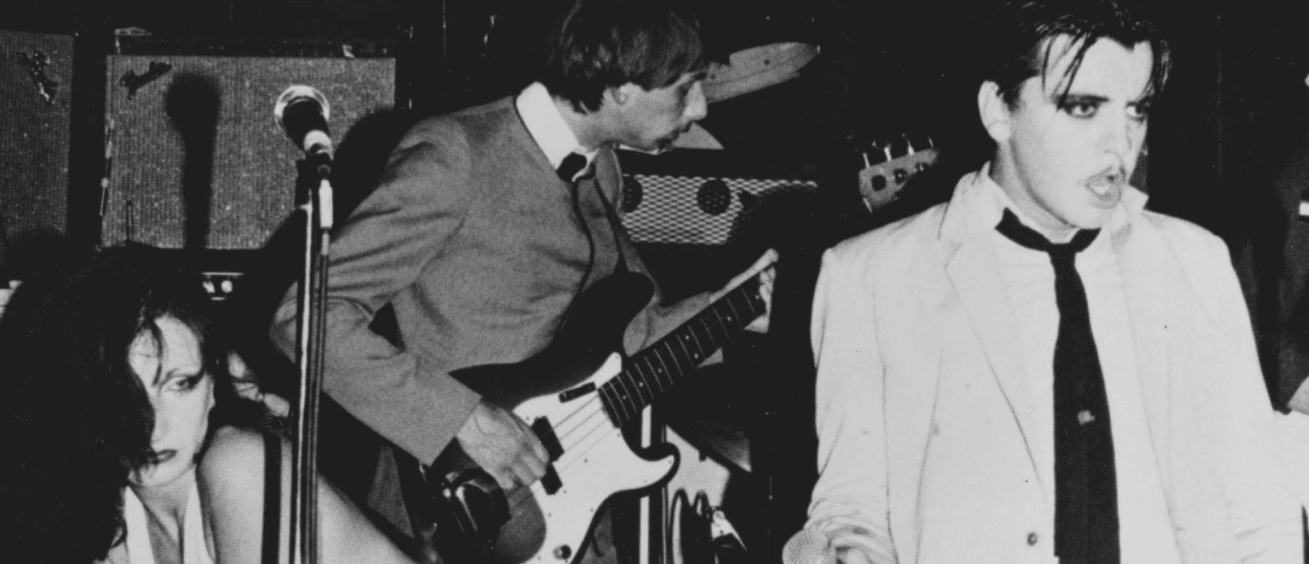
In 1973, students at the Liverpool College of Art needed to put together a performance for the Christmas dance. Enrico Cadillac Jnr, the lead vocalist of the group of young people who agreed to do it, recalled that anyone could have joined the band back then. A total of 13 people gathered on stage! Unexpectedly, they won a rock and folk contest and began to take their music career seriously. This was helped by the fact that their rehearsals, which took place on Mathew Street in a former school for the deaf, were witnessed by Derek Taylor, a publicist for The Beatles and an employee of Warner Brothers. He was reportedly moved to tears.
The musical shows that Deaf School put on in their early days were somewhat chaotic and eclectic. The line-up was gradually trimmed down, but there were still a lot of performers. They wore various colourful costumes and used different instruments as they saw fit, but even then, they were distinguished by an excellent level of musicianship.
Experiments with Style and Initial Results
Their first album, “2nd Honeymoon,” had a style rooted in cabaret. Later, they moved towards a harder sound, closer to punk rock, which was gaining popularity at the time for its rebellious edge. The influence of punk rock can be felt on the albums “Don’t Stop The World” (1977) and “English Boys/Working Girls” (1978), where a certain aggressiveness can even be detected.
Despite heavy promotion from Warner Brothers, the band failed to achieve success in the UK charts. The group had its fans, but their circle was limited. Attempts to conquer the US market, where the band released its first two albums, were also unsuccessful. From a commercial standpoint, it all ended in failure. This evidently contributed to Deaf School and Warner Brothers parting ways in 1978. The members began to work independently, and some of them went on to have successful careers in the music industry.
What Became of the Members
Here’s what is known about the fate of the members.
- Singer Bette Bright fronted her own band, The Illuminations. As she was married to Madness vocalist Suggs, she had opportunities for creative collaboration even at home.
- Ian Ritchie became a prolific composer, producer, and session musician.
- Clive Langer became one of the leading record producers of the 1980s and 1990s. He worked with acts such as Madness, Morrissey, David Bowie, Dexys Midnight Runners, and Bush.
- Bassist Steve Lindsey founded the band The Planets and appeared on Top of the Pops with the song “Lines”.
- Enrico Cadillac Jnr, whose real name is Steve Allen, joined forces with Ian Broudie to form Original Mirrors. Later, Allen also created another interesting creative project, The Perils of Plastic.
- Eric Shark continued to collaborate with Geoff Davies and founded Probe Plus.
The Reunion
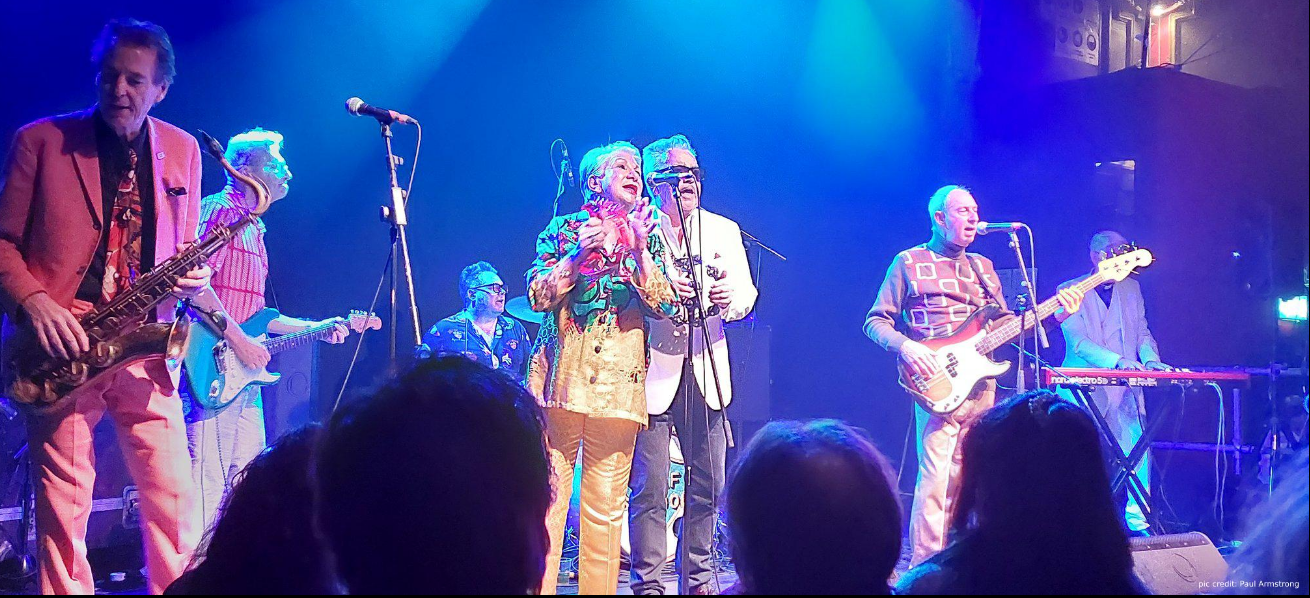
In 1998, most of the former members of Deaf School reunited to play concerts. One of their performances in Liverpool was turned into the album “2nd Coming”.
These creative individuals continued to perform live shows and delight the Liverpool public. A particular surge of activity was observed from 2006 onwards. Some commented that the band was not just evoking nostalgia for the old days but creating an incredible show capable of capturing the imagination.
In November 2022, Deaf School underwent some changes to play at London’s 100 Club. However, the remaining members of the group continued to visit Liverpool.
In Conclusion
The band may not have been at the top of the British charts or conquered the musical Olympus of England, but they truly proved to be a powerful creative force and challenged the titans of the genre. When Deaf School returned to Liverpool, they had a permanent venue to perform at – Eric’s Club on Mathew Street. This is where they once started, and where they have a passionate fanbase.
The members of the group played in a music-hall style, and their performances were somewhat theatrical. They influenced a whole generation of homegrown talent, including Echo And The Bunnymen, Frankie Goes To Hollywood, and The Teardrop Explodes. On the occasion of the band’s 40th anniversary, journalist Paul Du Noyer wrote the book Deaf School: the Non-Stop Pop Art Punk Rock Party.
Almost all the members of the band went on to have successful careers, but the most impressive was guitarist Clive Langer, who became a distinguished producer.