

Not everyone may embrace LGBT+ culture, which is shared by lesbian, gay, bisexual, and transgender people. However, it is an established and visible part of our society. Today, we’re talking about Liverpool Pride. This is an annual LGBT+ culture festival held at various locations in Liverpool’s city centre. It is also one of the largest free Pride events in Europe, attracting crowds of up to 75,000 people. Read on to learn more about the history and organisation of the event at liverpoolski.com.
What You Need to Know About Liverpool Pride
Liverpool Pride usually takes place in the city on the closest weekend to 2 August. This date commemorates the anniversary of the death of Michael Causer, a young gay man who was murdered in 2008.
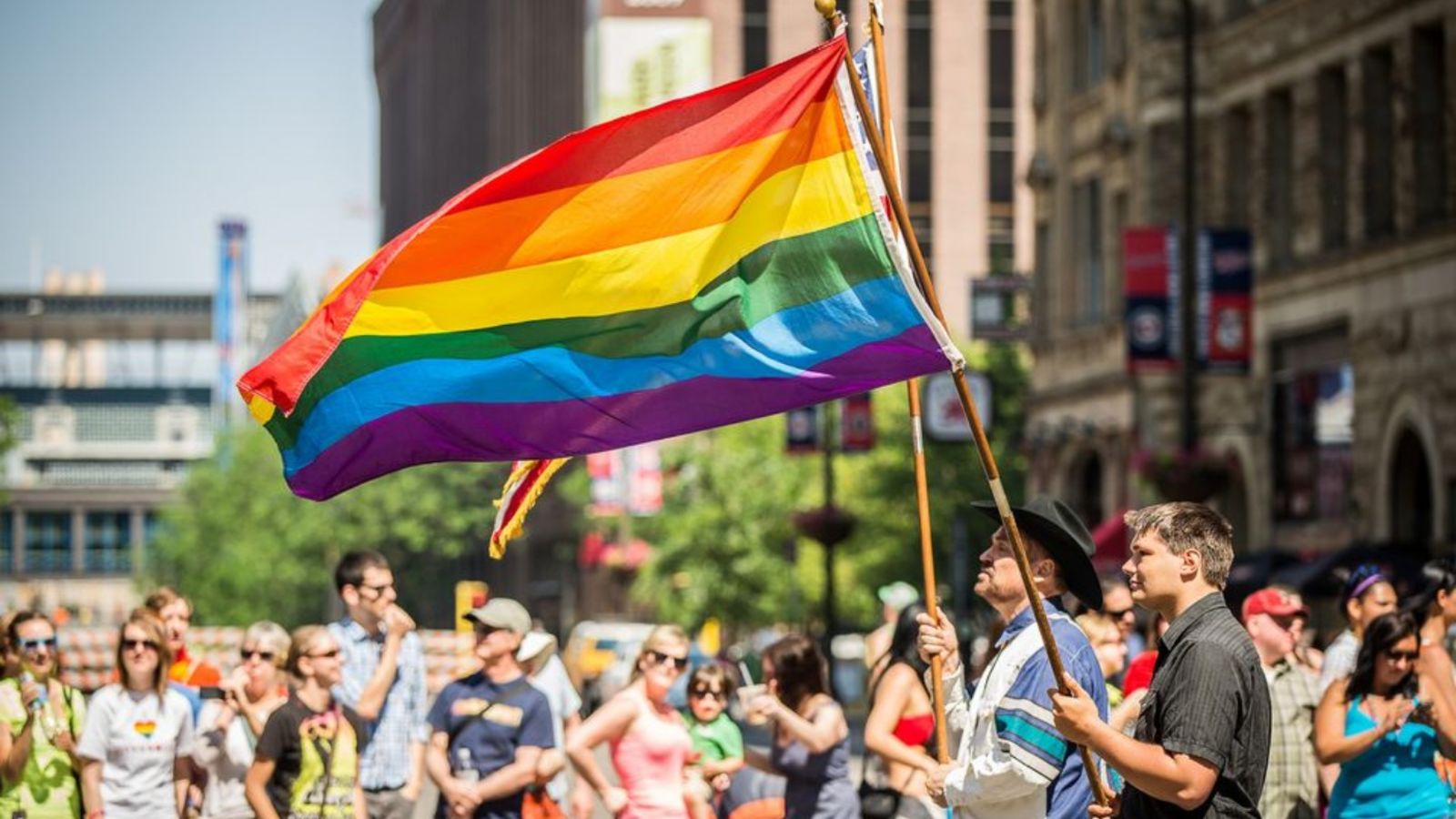
Liverpool Pride includes a parade and march that starts at St George’s Hall and proceeds through the city. It’s worth noting that the parade itself consists of 20,000 participants, with many more spectators watching along the streets. The event also features an open-air festival with stages, street stalls, and entertainment. The following day is dedicated to sporting, artistic, and cultural events.
The Pride event is organised by the LCR Pride Foundation. This registered charity works to promote equality for sexual minorities and raise awareness about the discrimination faced by the LGBT+ community. The foundation also supports LGBT+ creativity and arts. Their goal is to make the Liverpool City Region the most LGBT+ friendly in the UK.
A Brief History of LGBT+ Events and the Founding of Liverpool Pride
In 1979, a one-off LGBT+ community event was held in Liverpool. For several years after, however, Liverpool’s gay and lesbian community did not have its own Pride event, instead travelling annually for the march in London.
It should be noted that various unofficial events were organised by LGBT+ representatives in Liverpool during the 1990s. At that time, however, Pride was more focused on arts, exhibitions, culture, talks, workshops, and parties. These events also included discussions on topics like women in the church, LGBT+ parenting and literature, and support for gay and lesbian survivors of sexual violence. After a break, an event called ‘Mersey Pride’ was held in 1995. An open-air stage was set up, attracting over 1,200 people. This was a definite success, especially considering there were protests from the Christian right.
The LGBT+ Community in Liverpool
The LGBT+ community in Liverpool is one of the largest in the UK, with a history stretching back to the 18th century. The story of LGBT+ people in our city is full of contrasts and contradictions, as for a long time such relationships were punishable by law. However, it’s important to remember that Liverpool was a major port city, attracting diverse people from all corners of the world. The earliest recorded experiences of homosexuality can be traced back to the Georgian era, a period when Liverpool’s population was growing rapidly. In England, sexual acts between men were punishable by death until 1861, with authorities enforcing the Buggery Act of 1533. For example, in 1806, twenty-four men from Warrington, Manchester, and Liverpool were arrested for “homosexual offences”.
In 1861, Parliament abolished the death penalty for the offence, replacing it with a sentence of life imprisonment or a minimum of 10 years. Interestingly, between 1850 and 1918, there were more recorded cases of homosexuality in Liverpool than anywhere else in the entire county of Lancashire, as the police and courts actively pursued cases involving intimacy between men.
After the First World War, homosexual offences were punished even more severely. Between 1919 and 1939, Liverpool continued to be the place with the highest number of convictions for homosexuality. It is important to remember that during this time, Liverpool was thriving as a major port with a bustling commercial sex industry.
All of this has contributed to the development of a vibrant LGBT+ culture in the modern era. To illustrate with statistics, the 2021 UK Census revealed that in the Liverpool City Region, a total of 123,367 people described their sexual orientation as gay, lesbian, bisexual, pansexual, asexual, or queer. In 2009, this figure was around 94,000. Furthermore, the LGBT+ community is widely recognised in the city. In 2017, Liverpool was named the 51st most LGBT-friendly city in the world. Our city is also home to the UK’s first and only official gay quarter, the only LGBT+ arts organisation in the North of England, and has been recognised for having one of the most gay-friendly universities in the UK.
So, that is the history of Liverpool Pride and the development of the LGBT+ community in the city of Liverpool.
Christian organisations and believers often do not support the LGBT+ community, as same-sex relationships are considered a sin in their faith. However, perspectives on this issue vary widely. We hope this material has been informative and has given you food for thought.
What do you think of Liverpool Pride? Do you support the development of the LGBT+ community in our city? We look forward to your comments on social media.