

Indie rock is a long-established genre, popular all over the world. But in Liverpool, it took on a special flavour, so much so that the local indie scene came to be considered a subgenre in its own right. It was characterised by distinct guitar riffs, melodic basslines, and reflective lyrics, with frequent nods to classic Merseybeat and sometimes to post-punk. This subgenre was shaped by specific people, bands, and venues, and they are the heroes of today’s article at liverpoolski.com.
Which Bands Were the Kings of Liverpool’s Indie Scene?
It’s worth noting that indie rock is difficult to define exhaustively. The word doesn’t describe a single, clearly defined musical genre, but rather a spirit of creative independence and experimentation. Therefore, you might be surprised by the appearance of some of the bands in the list below. You might categorise them into other styles, but remember that musicians can combine traits from different movements. For example, post-punk and indie music have a tendency to overlap.
The Liverpool indie scene began to form in the 1980s and has continued to evolve ever since. Here are a few examples of bands and musicians who have influenced the history of indie music in the capital of Merseyside:
- The La’s and their cult hit “There She Goes”. The band became iconic for the Liverpool indie scene of the late 1980s. The music of these stage virtuosos combined melodic pop with a guitar-driven sound, inspiring many musicians of subsequent generations. Although the band released only one album, its influence on the scene was far from insignificant.
- Cast and “All Change”. John Power, who was part of The La’s, founded Cast in 1992. Their debut album, “All Change,” became one of the most commercially successful debuts in the UK in the 1990s, giving the indie rock of the time a new sound.
- Echo & the Bunnymen. Formed in 1978, the band became famous for its atmospheric sound and melancholic lyrics. Songs like “The Killing Moon” and “Lips Like Sugar” became post-punk classics and reinforced Liverpool’s reputation on the musical map after the breakup of The Beatles.
- A Flock of Seagulls. This band represented the electronic and synth-pop movement that developed in the 1980s. Their tracks “I Ran (So Far Away)” and “Space Age Love Song” made the group recognisable far beyond the borders of Great Britain.
- Frankie Goes to Hollywood. The song “Relax,” which made the group one of the most successful representatives of the Liverpool indie scene in the 1980s, sparked controversy due to its explicit lyrics. Their album “Welcome to the Pleasuredome” remains a cult classic to this day.
- The Lightning Seeds. Ian Broudie, the band’s leader, created true anthems for the British public, including the football hit “Three Lions,” as well as the gentle song “Pure,” which brought the band popularity in the 1990s.
As we can see, the main events of the Liverpool indie scene were just beginning in the 1980s. And this movement proved to be a promising one, as it did not cease to exist like some others. So, what can be said about the history of Liverpool indie rock?
The Evolution of Liverpool’s Indie Scene
The Liverpool indie scene has a fascinating history, which began when the city became a hub for alternative music. You already know about the 1980s from the description above. Then, in the 1990s, the indie scene experienced a real boom thanks to bands like Cast, The La’s, and The Coral, who forged a unique sound by combining melodic guitar rock with psychedelic elements.
In the early 2000s, Liverpool’s indie scene was given a new lease of life, thanks to the development of iconic venues, which we will discuss below, as well as the emergence of other young and energetic bands that pushed the boundaries of the genre. Liverpool continues to be a home for a dynamic indie community that continues to shape new trends in music.
The Venues That Shaped Liverpool’s Indie Scene
But why do we only talk about the bands? Liverpool’s clubs and independent venues also played a crucial role in supporting young performers and developing the city’s music scene.
One such establishment is the Jacaranda on Slater Street, which has long served as a platform for new artists. Its history dates back to the 1950s, when the club helped to popularise various musical genres, and it remains an important venue for contemporary performers. In 2024, the Jacaranda expanded its operations, confirming its significance to the local scene.
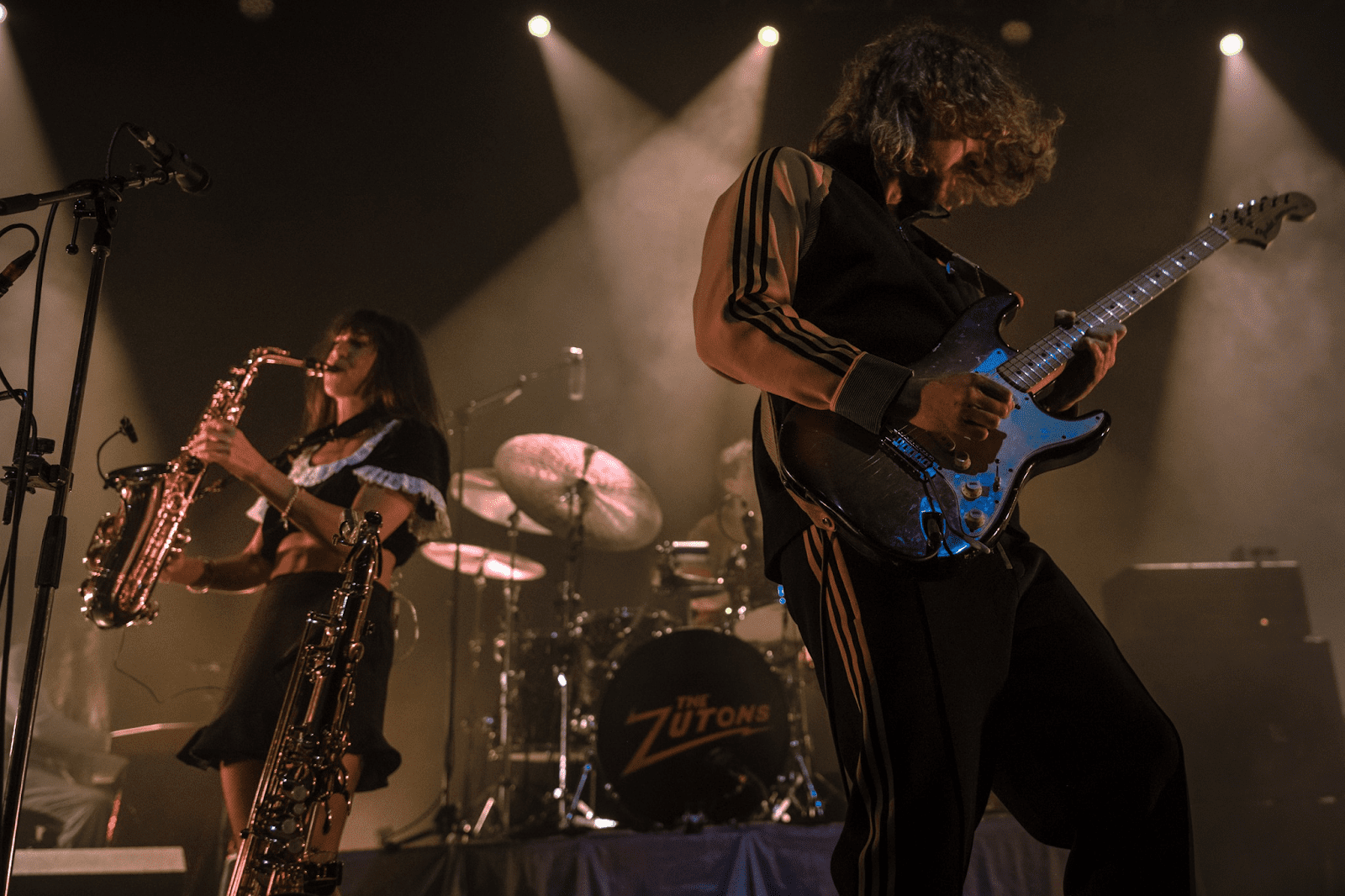
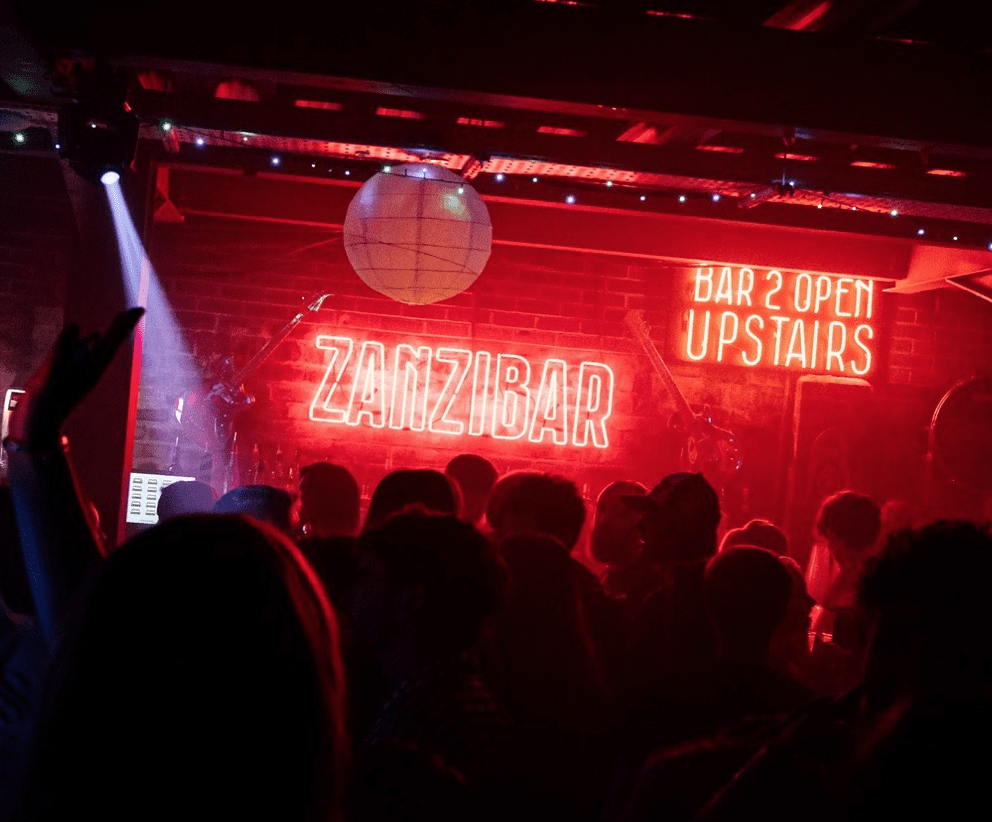
Another prominent venue was the Zanzibar Club, which became a launchpad for such famous bands as The Coral and The Zutons. The club was known for its intimate atmosphere, which helped to create a close connection between the artists and the audience. For many young musicians, performing at the Zanzibar was the first step on the path to popularity.
Although The Cavern Club is mostly associated with the Merseybeat era and The Beatles, its influence also extended to new generations of performers. The club inspired musicians to engage in creative experiments, laying the foundation for the development of the local scene.
These venues, of course, brought musicians together, but their mission was broader than it might seem. They became places where a community of fans interested in innovative sounds was formed. They remain centres that support independent music and preserve the unique atmosphere of Liverpool today.