

Liverpool LightNight festival was a unique opportunity to see the city in the light of creativity and cultural innovation. Each year, this one-day event transformed the heart of the city into a living gallery, where art, technology and history merged in an amazing rhythm. From street performances to light installations, the festival offered over 100 events to all comers to inspire, surprise and engage. Learn more about the history of this event and its features at liverpoolski.com.
General information
The LightNight festival took place in Liverpool from approximately 4 pm until late in the evening. This is a one-day event that unfolded as part of the One Magnificent City programme. The venue covers over 50 different locations, including galleries, museums and the city’s public spaces, including St George’s Hall, the Walker Art Gallery, Liverpool Central Library, the Bluecoat, FACT, Liverpool Cathedral and many more.
The LightNight founders’ idea was to create an arts festival that opens up the doors of the city’s largest cultural institutions to a wider audience. Thus, the event involves people in the cultural life of Liverpool through free art exhibitions, light projections, street performances, lectures and workshops. The festival combined various forms of art and culture, creating an interactive environment for visitors of all ages.
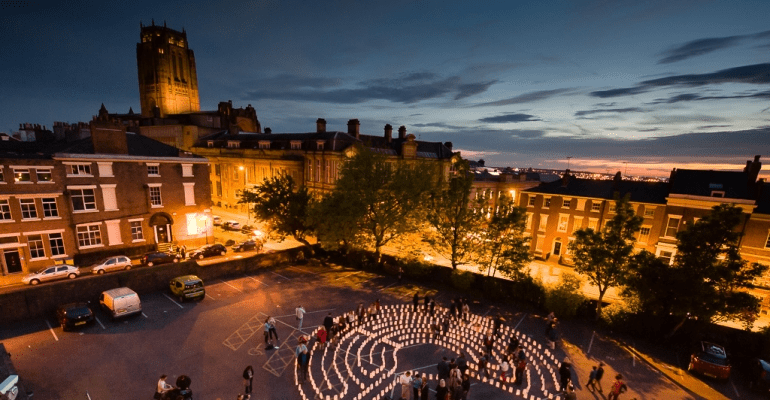
LightNight played an important role in the cultural life of Liverpool, offering new opportunities for exploring art and the approaches of local artists. It was something incredible. The city’s open-air locations as well as museums and galleries came to life before your eyes! Its organiser was the Open Culture group. The festival also helped to popularise other important cultural events and attract more people to Liverpool’s cultural scene.
Programme features
Liverpool LightNight always impressed with the variety of events that turned the ordinary evening into a real celebration of the arts. The city centre was filled with light, sound and emotion, turning into a platform for interactive experiences. The main events included street and musical performances as well as light projections. Each time the organisers thought of how to make the festival special, setting certain accents through the topics. For example, the 2018 event emphasised the idea of transformation, exploring changes in people and urban space.
Each year the organisers included new locations, which added uniqueness to the event. Among the debutants were Hinterlands, Sensor City and the reconstructed Unity Theatre. At the same time, traditional spaces such as the Walker Art Gallery, Liverpool Cathedral or Camp and Furnace sustained the atmosphere of an art home.
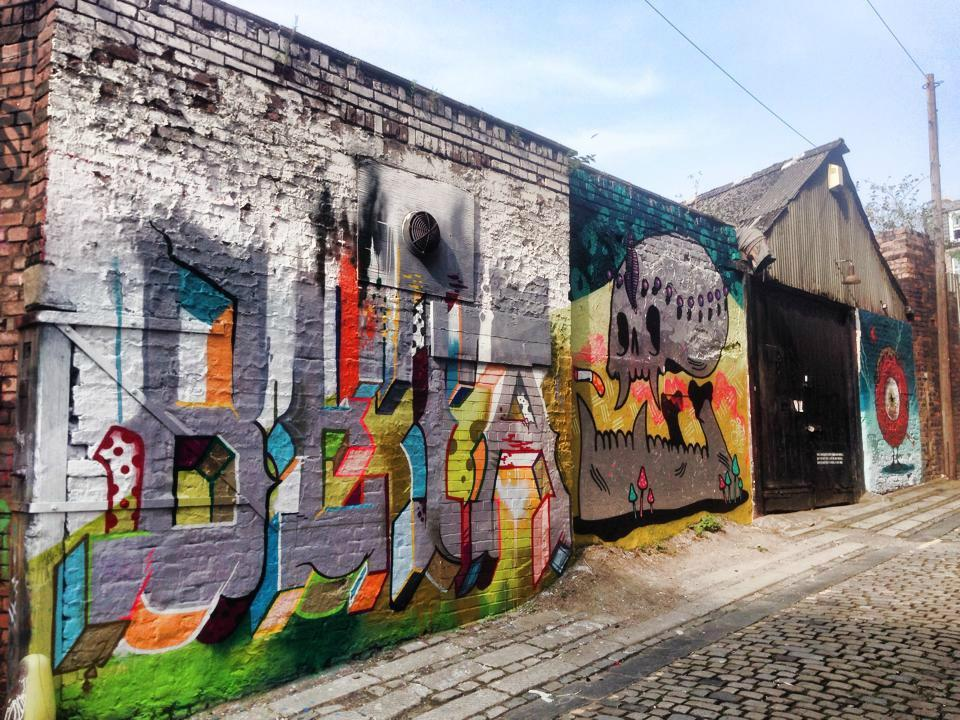
The festival was known for its interactive opportunities for visitors. You could immerse yourself in creativity in many ways: create a sculpture at RIBA North, give a second life to ceramic pots at the Baltic Triangle workshops or try sensory games at Sensor City. Art was taken right out into the streets. The event offered passers-by to create something unique at Zap Graffiti or to take part in performances on Church Street.
Of course, LightNight closed up with a vibrant afterparty with music, visual effects and the feeling that the city came alive thanks to the festival. This is a British tradition of crowning a cultural celebration, which is also maintained in Liverpool.
Festival history
Liverpool LightNight dates back to 2008 when the city was awarded the title of European Capital of Culture. Then the city decided to create a night-time arts event that would allow residents and visitors to the city to discover culture in an unusual way. This concept captivated the locals so much that LightNight acquired a permanent format in 2010 and became an annual celebration of arts and culture. The organiser, the aforementioned Open Culture team, is a social organisation that aims to popularise culture in Merseyside.
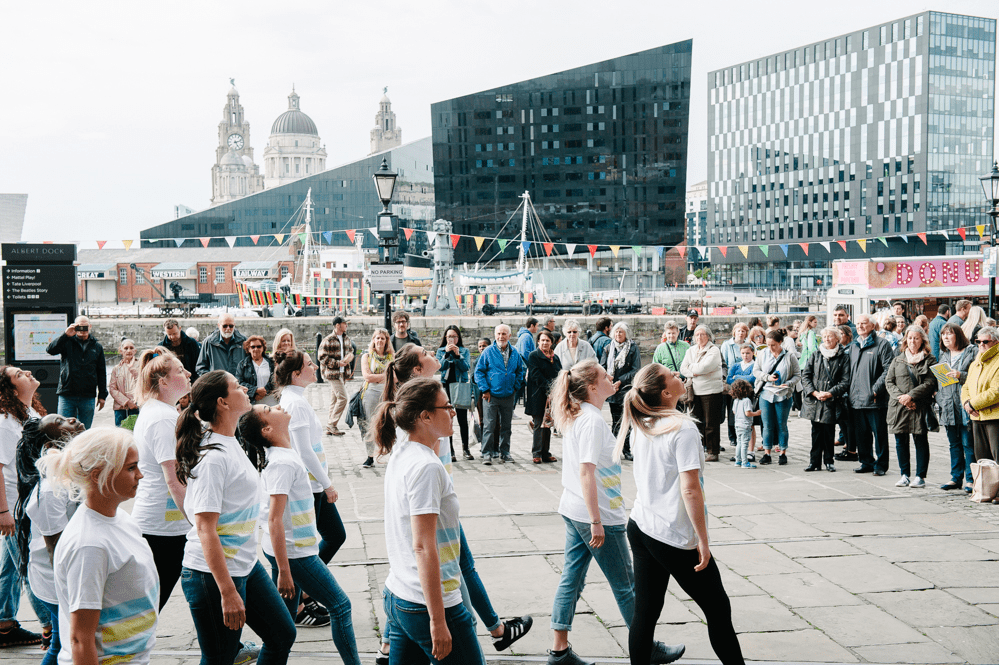
The idea became extremely popular, as the city, once associated with industrial heritage, gradually became a centre of innovation, art and creativity. The development of LightNight was closely linked to its impact on community life. The number of participants and locations was constantly growing. At its best, over 100 organisations were involved in organising events in more than 50 locations annually. These include the Walker Art Gallery, FACT, Liverpool Cathedral and Cains Brewery Village. Each time they were transformed into live arenas for performances, light shows and interactive events.
The themes of the festival have always remained relevant and inspired visitors. For example, in 2018, new locations (Sensor City and the Unity Theatre) revealed the relationship between technology, art and people. Thanks to the variety of themes and formats, LightNight has gained a reputation as an event highlighting important life issues.
Information for visitors
To join LightNight, people had to just visit the centre of Liverpool on the evening of the festival day. Entrance to most events was free, which made the event accessible to everyone. For more convenience, it was suggested to use the official festival website to find a programme with a detailed list of events, addresses and times that were published in advance.
Key locations spanned the entire city centre, from St George’s Hall and Central Library to more modern spaces like Camp and Furnace or Hinterlands. Classic art lovers could enjoy the Walker Art Gallery and the Bluecoat, while fans of modern installations could find something interesting at Sensor City or the light shows at Hinterlands. For those who got hungry, there were food zones located at the Baltic Food Market and near the Bombed-Out Church.
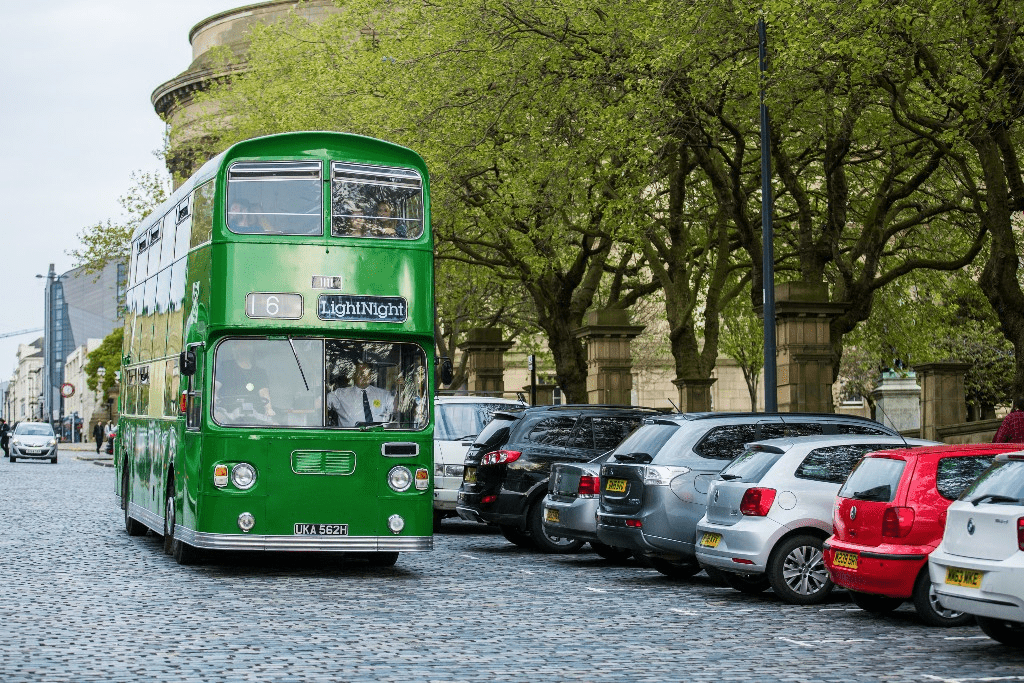
It was better to think through the route in advance, as many locations were scattered around the city and traffic jams occurred due to the large number of visitors. A convenient solution was to use the LightNight Heritage buses, which ran between the main venues. However, some people preferred to walk. The practical classes where you could create your own works of art, as well as relaxation areas, were especially useful for visitors with children.
Those planning to stay for the afterparty at Constellations had to be prepared for a night of DJs, light shows and surprise performances. The organisers recommended taking comfortable clothes and water along to enjoy the program to the fullest.
Indefinite break or the end?
At some point, the organisers of LightNight made the decision to suspend the festival, given the numerous difficulties, including those caused by the COVID-19 pandemic. There was also the problem of ensuring the stability of the event in the conditions of the modern world. However, Open Culture also has other projects to take care of, such as Uncover Liverpool. So, the Liverpool cultural life didn’t end there. The organisers expressed their gratitude to the thousands of artists, partners and visitors who helped make LightNight an important part of the region’s cultural life. Still, we don’t know whether this is a temporary break or the end of a great story. Only time will tell.