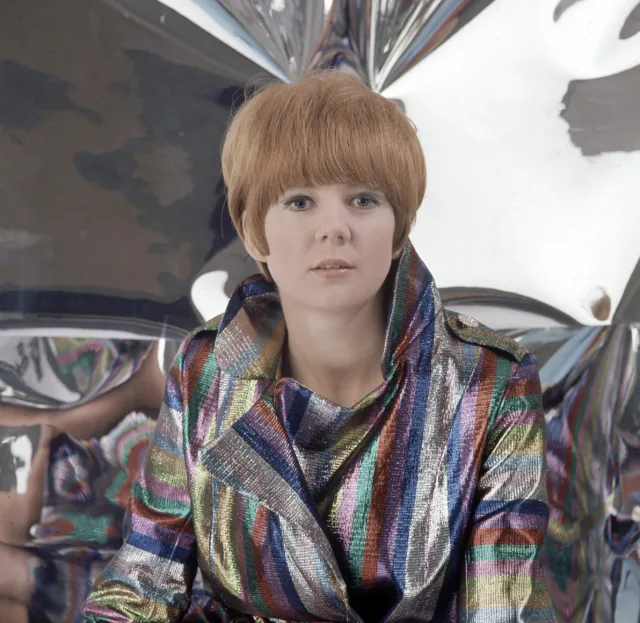
Queen of British Prime Time: How Liverpool’s Alison Steadman Conquered Stage and Screen<


Alison Steadman is one of Britain’s most recognizable actresses, having conquered the theatrical stage and become the face of cult television comedies. She earned widespread acclaim by turning ordinary people—with all their flaws, ambitions, fears, and quirky habits—into unforgettable characters. Steadman has a unique gift for creating figures that effortlessly inspire laughter, deep empathy, and instant recognition. It is this authenticity that has made her a true favorite of the British public. Read more on liverpoolski.
First Steps into Acting
Alison Steadman was born on August 26, 1946, in Liverpool, England. She was the youngest of three daughters born to George Percival Steadman and Marjorie Evans. Her father worked as a production controller at the electronics firm Plessey. Growing up in post-war Liverpool, she was surrounded by a distinctive cultural atmosphere, a sharp local sense of humor, and deep theatrical traditions. Her passion for acting surfaced early: as a child, she loved impersonating people, mimicking the mannerisms and speech patterns of those around her.
In 1966, Steadman enrolled at the East 15 Acting School in Essex. It was there that she met young director Mike Leigh, initiating a creative partnership that would become one of the most celebrated in British theater and cinema. Her training provided far more than just technical craft; it helped shape her distinct artistic philosophy. Steadman never sought to portray idealized heroines. Instead, she was drawn to real, living people with all their inner contradictions, emotional reactions, and everyday habits.

Stage Debut
Alison Steadman made her professional stage debut in 1968, playing Sandy in a production of “The Prime of Miss Jean Brodie” at the Theatre Royal in Lincoln. Following this breakthrough, the actress honed her craft across regional repertory companies, continually expanding her dramatic range. Her subsequent career saw her perform with some of the country’s most prestigious institutions, including the Royal Court Theatre, The Old Vic, Hampstead Theatre, Nottingham Playhouse, Liverpool’s Everyman Theatre, and the Royal National Theatre.
A milestone in her stage career came in 1983, when she played Elmire in Molière’s “Tartuffe” for the Royal Shakespeare Company. In 2002, she took the stage at London’s Ambassadors Theatre in Debbie Isitt’s dark comedy “The Woman Who Cooked Her Husband.” Even after becoming a household name on television, the theater remained an essential anchor of Steadman’s professional identity.
The Role That Changed Everything
Her collaboration with director Mike Leigh holds a pivotal place in her career. Having first crossed paths during her studies at East 15, Leigh soon invited her to star in his groundbreaking stage and television projects.
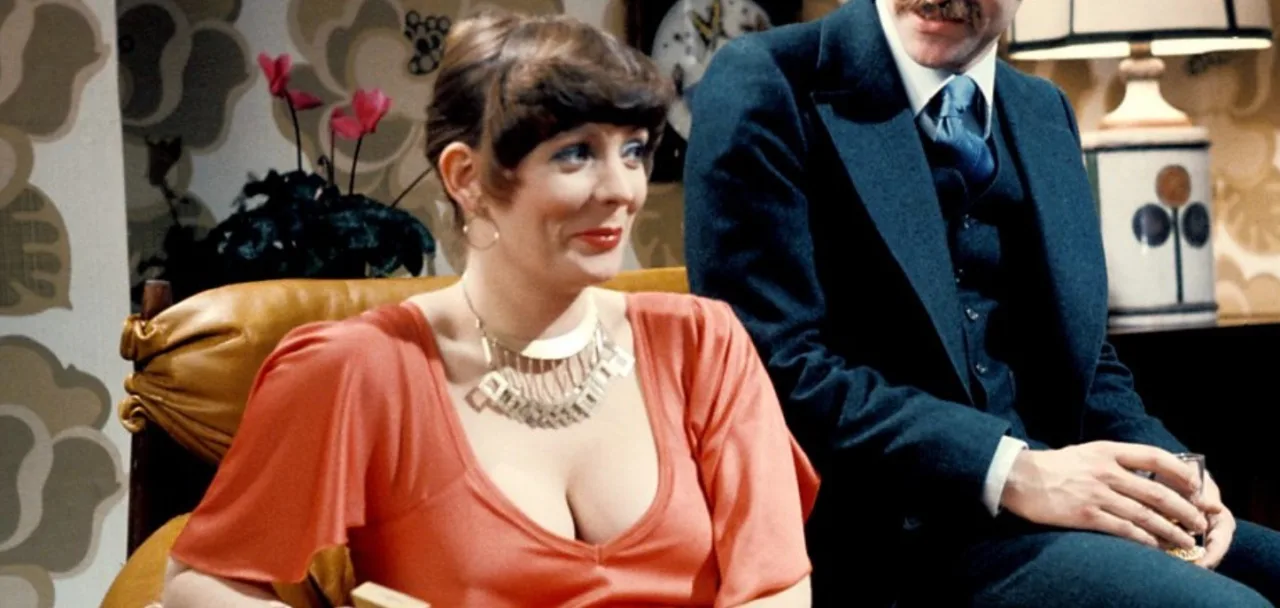
Throughout the 1970s, Steadman appeared in several of Leigh’s acclaimed works, including “Hard Labour,” “Nuts in May,” and “Abigail’s Party.” It was this last production that marked a watershed moment. She starred as Beverly, an overbearing hostess determined to project middle-class sophistication, affluence, and effortless hospitality. Beneath her veneer of forced cheerfulness, however, lay insecurity, narcissism, social anxiety, and an obsession with control. Audiences were captivated by her delivery, over-the-top hosting, taste in music, and cringeworthy conversational maneuvers. The television broadcast of the play was so compelling that it cemented Steadman’s reputation as one of the standout comedic performers of her generation.
Iconic Television Roles
While British viewers know her primarily for her television work, Steadman has also built an impressive filmography. A key highlight was Leigh’s acclaimed 1990 feature “Life Is Sweet.” Steadman starred as Wendy, a resilient mother striving to keep her family grounded amidst everyday struggles, personal conflicts, and domestic chaos. The film offers an intimate look at an ordinary working-class London family, where each member battles private dreams and disappointments. Her performance drew widespread critical praise, earning her the National Society of Film Critics Award for Best Actress in 1991.
Her other notable film credits include “A Private Function,” “Clockwise,” “Stormy Monday,” “The Adventures of Baron Munchausen,” “Shirley Valentine,” “Topsy-Turvy,” and “The Life and Death of Peter Sellers.”
One of her most celebrated television triumphs came with the BBC’s landmark 1995 adaptation of Jane Austen’s “Pride and Prejudice.” Across six episodes, Steadman delivered an unforgettable performance as Mrs. Bennet, a mother determined to secure marriages for her five daughters. Flustered, vocal, and constantly on edge, the character easily risks slipping into caricature. Yet Steadman skillfully grounded her over-the-top antics in genuine maternal panic, showing that beneath the hysterics lay a legitimate fear for her daughters' financial futures.
Another modern milestone was the hit BBC sitcom “Gavin & Stacey,” which premiered in 2007. The series follows the cross-country romance between Gavin from Essex and Stacey from Barry in South Wales. Their relationship brings together two wildly different families, turning everyday misunderstandings into heartwarming, laugh-out-loud comedy. Steadman starred as Pamela Shipman, Gavin’s devoted, high-strung, and fiercely protective mother. Her performance went well beyond stereotypical sit-com parenting, giving Pam a rich tapestry of idiosyncrasies, anxieties, and genuine warmth. For Steadman, the role was something truly special. In a 2024 interview with The Guardian, she called filming the final Christmas special an absolute joy, noting that she had recognized the show’s brilliance from the very first page of the script.
Memoir: “Out of Character”
In 2024, Steadman published her long-awaited autobiography, “Out of Character: From Abigail’s Party to Gavin and Stacey, and Everything in Between.” Released by HarperCollins, the book marked her first major autobiographical work. In it, she revisits her Liverpool upbringing, drama school days, early theater career, creative partnership with Mike Leigh, and the making of characters that have become cornerstones of British popular culture.
The title poignantly reflects the book’s premise. For decades, audiences have known Steadman through her larger-than-life roles. Behind each portrayal, however, was a dedicated artist facing her own doubts, life choices, and professional crossroads. The memoir provides an intimate behind-the-scenes look at her journey, shedding light on stories and creative struggles that previously remained out of the public eye.
Alison Steadman’s career stands as proof that keen observation, technical mastery, and an innate understanding of human nature are the hallmarks of enduring success. She never let herself be typecast, even though the massive impact of Beverly in “Abigail’s Party” could easily have confined her to one specific lane. Instead, she continued to broaden her range across hard-hitting television dramas, feature films, stage classics, and radio plays. Each of her characters is distinct, defined by their own quirks, vulnerabilities, and personal truths.
From her modest 1968 debut in Lincoln to her reigning status on contemporary television, Steadman’s journey spans generations of British audiences. Her work has become an indelible part of the nation’s cultural heritage, and her characters remain permanently etched in the public imagination. That is why Alison Steadman is truly the queen of British prime time. Her standing is built not on tabloid drama or transient celebrity, but on decades of exceptional artistry, industry respect, and an extraordinary talent for transforming ordinary human lives into unforgettable art.